
The Golden Paradox: Why Gold and Silver Are Surging Despite a Strong Dollar and Energy-Driven Inflation
المفارقة الذهبية: لماذا ترتفع أسعار الذهب والفضة رغم قوة الدولار والتضخم المدفوع بأسعار الطاقة؟
Financial Disclaimer: This article is for educational and informational purposes only. It does not constitute financial or investment advice. All investment decisions are solely your responsibility. Past performance does not guarantee future results.
إخلاء المسؤولية المالية: هذا المقال للأغراض التعليمية والتحليلية فقط، ولا يُعد نصيحة مالية أو استثمارية. قرارات البيع والشراء هي مسؤوليتك الشخصية الكاملة. الأداء السابق لا يضمن النتائج المستقبلية.
For decades, financial markets operated on a reliable rule of thumb: when the US Dollar strengthens and interest rates rise to combat inflation, gold and silver prices fall. Precious metals yield no interest, making them less attractive when cash and bonds offer high returns. However, the market dynamics of 2026 have completely shattered this traditional correlation.
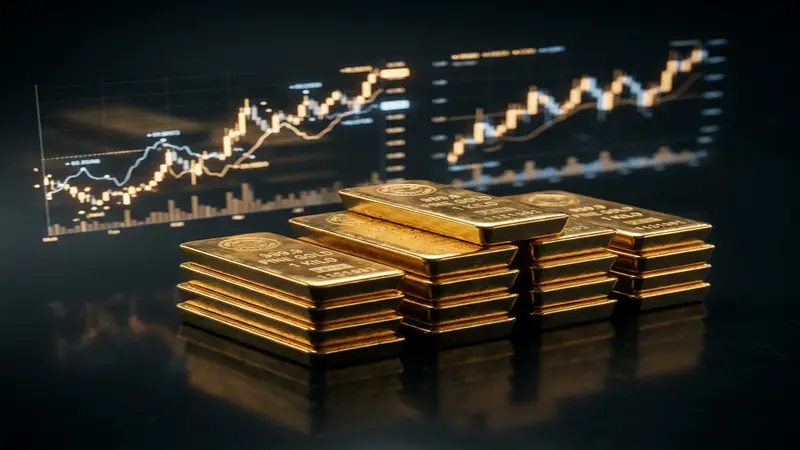
Despite a robust US Dollar and renewed inflation fears sparked by surging global energy prices, both gold and silver have maintained historic highs, with gold recently surging past $5,000 per ounce. This "Golden Paradox" has left many traditional investors scratching their heads. Here is a deep dive into the real forces driving precious metals today.
1. The Geopolitical Risk Premium and the Energy Crisis
The primary catalyst for the current market anomaly is the escalating geopolitical instability, particularly in the Middle East. The recent conflicts and disruptions around the Strait of Hormuz have sent oil prices soaring. Historically, high oil prices lead to broader inflation.
While central banks typically respond to inflation by keeping interest rates "higher for longer"—which usually boosts the dollar and hurts gold—the sheer scale of the current geopolitical uncertainty has triggered massive safe-haven demand. Investors are buying gold not just as an inflation hedge, but as a catastrophic risk hedge. The fear of a broader regional war disrupting global supply chains has overridden the mathematical disadvantage of holding non-yielding assets in a high-rate environment.
2. Relentless Central Bank Accumulation
Another massive structural shift is the behavior of global central banks. In 2025, central banks purchased a staggering 863 tonnes of gold, maintaining a near-record pace that has carried over into 2026. This buying spree is largely driven by a broader macroeconomic trend: de-dollarization.
Following the weaponization of the US Dollar in recent global conflicts through sanctions, nations across the Global South and the BRICS bloc have accelerated their efforts to diversify their foreign exchange reserves away from US Treasuries. When the world's largest institutions are buying gold regardless of the price, traditional retail market correlations (like the Gold/Dollar inverse relationship) break down. This institutional floor under the gold price prevents significant sell-offs even when the dollar rallies.
3. Silver's Industrial Squeeze and the Green Transition
While silver often rides gold's coattails as a monetary metal, its recent outperformance is heavily tied to its industrial applications. Silver is a critical component in the global green energy transition, particularly in the manufacturing of solar panels (photovoltaics) and electric vehicles.
In 2026, the solar industry's demand for silver has reached unprecedented levels. Despite efforts by manufacturers to reduce the amount of silver paste used per solar module due to rising costs, the sheer volume of global solar installations has kept demand exceptionally high. This has resulted in a persistent structural supply deficit in the silver market. When you combine this tight physical market with the spillover safe-haven demand from gold, it creates a perfect storm for silver prices to surge, completely ignoring the strength of the US Dollar.
Conclusion: A New Paradigm
The events of 2025 and 2026 have proven that gold and silver are no longer just simple anti-dollar trades. They have evolved into complex barometers of global geopolitical stress, institutional trust, and industrial necessity. As long as central banks continue to diversify their reserves and global energy markets remain vulnerable to conflict, the traditional rules of precious metal pricing may remain suspended indefinitely.
لعقود من الزمن، عملت الأسواق المالية وفقاً لقاعدة موثوقة: عندما يقوى الدولار الأمريكي وترتفع أسعار الفائدة لمكافحة التضخم، تنخفض أسعار الذهب والفضة. فالمعادن الثمينة لا تدر عائداً (فائدة)، مما يجعلها أقل جاذبية عندما توفر السيولة النقدية والسندات عوائد مرتفعة. ومع ذلك، فإن ديناميكيات السوق في عام 2026 حطمت هذا الارتباط التقليدي تماماً.
على الرغم من قوة الدولار الأمريكي وتجدد مخاوف التضخم التي أثارها ارتفاع أسعار الطاقة العالمية، حافظ كل من الذهب والفضة على مستويات تاريخية مرتفعة، حيث تجاوز الذهب مؤخراً حاجز 5000 دولار للأوقية. هذه "المفارقة الذهبية" تركت العديد من المستثمرين التقليديين في حيرة من أمرهم. إليكم تحليلاً متعمقاً للقوى الحقيقية التي تحرك المعادن الثمينة اليوم.
١. علاوة المخاطر الجيوسياسية وأزمة الطاقة
المحفز الأساسي لشذوذ السوق الحالي هو تصاعد عدم الاستقرار الجيوسياسي، وخاصة في الشرق الأوسط. أدت الصراعات الأخيرة والاضطرابات حول مضيق هرمز إلى ارتفاع أسعار النفط بشكل حاد. وتاريخياً، يؤدي ارتفاع أسعار النفط إلى تضخم أوسع نطاقاً.
في حين تستجيب البنوك المركزية عادة للتضخم من خلال إبقاء أسعار الفائدة "مرتفعة لفترة أطول" — وهو ما يعزز عادة الدولار ويضر بالذهب — إلا أن الحجم الهائل لعدم اليقين الجيوسياسي الحالي أدى إلى طلب هائل على الملاذ الآمن. يشتري المستثمرون الذهب ليس فقط كتحوط ضد التضخم، ولكن كتحوط ضد المخاطر الكارثية. لقد طغى الخوف من حرب إقليمية أوسع تعطل سلاسل التوريد العالمية على العيب الرياضي المتمثل في الاحتفاظ بأصول لا تدر عائداً في بيئة ذات أسعار فائدة مرتفعة.
٢. التراكم المستمر لدى البنوك المركزية
تحول هيكلي ضخم آخر هو سلوك البنوك المركزية العالمية. في عام 2025، اشترت البنوك المركزية كمية مذهلة بلغت 863 طناً من الذهب، مع الحفاظ على وتيرة شبه قياسية امتدت إلى عام 2026. وتُعزى فورة الشراء هذه إلى حد كبير إلى اتجاه اقتصادي كلي أوسع: التخلي التدريجي عن الدولار (De-dollarization).
في أعقاب استخدام الدولار الأمريكي كسلاح في الصراعات العالمية الأخيرة من خلال العقوبات، سرعت دول الجنوب العالمي ومجموعة البريكس جهودها لتنويع احتياطياتها من النقد الأجنبي بعيداً عن سندات الخزانة الأمريكية. عندما تشتري أكبر المؤسسات في العالم الذهب بغض النظر عن السعر، تنهار ارتباطات سوق التجزئة التقليدية (مثل العلاقة العكسية بين الذهب والدولار). هذا الدعم المؤسسي لسعر الذهب يمنع عمليات البيع الكبيرة حتى عندما يرتفع الدولار.
٣. أزمة العرض الصناعي للفضة والتحول الأخضر
في حين أن الفضة غالباً ما تتبع مسار الذهب كمعدن نقدي، إلا أن تفوقها الأخير يرتبط ارتباطاً وثيقاً بتطبيقاتها الصناعية. تعتبر الفضة مكوناً حاسماً في التحول العالمي نحو الطاقة الخضراء، وخاصة في تصنيع الألواح الشمسية (الخلايا الكهروضوئية) والسيارات الكهربائية.
في عام 2026، وصل طلب صناعة الطاقة الشمسية على الفضة إلى مستويات غير مسبوقة. وعلى الرغم من جهود الشركات المصنعة لتقليل كمية معجون الفضة المستخدم لكل وحدة شمسية بسبب ارتفاع التكاليف، إلا أن الحجم الهائل لمنشآت الطاقة الشمسية العالمية أبقى الطلب مرتفعاً بشكل استثنائي. وقد أدى ذلك إلى عجز هيكلي مستمر في المعروض في سوق الفضة. عندما تجمع بين هذا السوق المادي الضيق والطلب الممتد على الملاذ الآمن من الذهب، فإنه يخلق عاصفة مثالية لارتفاع أسعار الفضة، متجاهلة تماماً قوة الدولار الأمريكي.
الخلاصة: نموذج جديد
أثبتت أحداث عامي 2025 و 2026 أن الذهب والفضة لم يعودا مجرد صفقات بسيطة مضادة للدولار. لقد تطورا إلى مقاييس معقدة للضغط الجيوسياسي العالمي، والثقة المؤسسية، والضرورة الصناعية. وطالما استمرت البنوك المركزية في تنويع احتياطياتها وظلت أسواق الطاقة العالمية عرضة للصراع، فإن القواعد التقليدية لتسعير المعادن الثمينة قد تظل معلقة إلى أجل غير مسمى.


Reader Comments تعليقات القراء
Leave a Comment اترك تعليقاً
Loading comments...
جارٍ تحميل التعليقات...