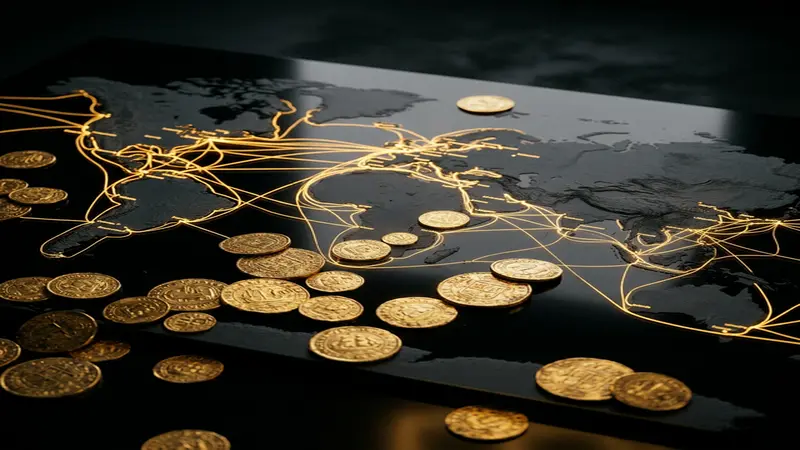
BRICS Expansion and the 'New Gold Standard': What it Means for Egypt
توسع البريكس و'معيار الذهب الجديد': ماذا يعني ذلك لمصر
Financial Disclaimer: This article is for educational and informational purposes only. It does not constitute financial or investment advice. All investment decisions are solely your responsibility. Past performance does not guarantee future results.
إخلاء المسؤولية المالية: هذا المقال للأغراض التعليمية والتحليلية فقط، ولا يُعد نصيحة مالية أو استثمارية. قرارات البيع والشراء هي مسؤوليتك الشخصية الكاملة. الأداء السابق لا يضمن النتائج المستقبلية.
Egypt's formal accession to the BRICS economic bloc in January 2024 marked a pivotal moment in the country's geopolitical and economic trajectory. As one of the world's most significant emerging economies, Egypt's membership in this expanding coalition — which now represents over 40% of global GDP and more than 30% of global gold reserves — has profound implications for its monetary policy, its gold market, and the long-term trajectory of the Egyptian pound. Understanding these implications is essential for any Egyptian investor in precious metals.
The BRICS Gold Reserve Accumulation Story
One of the most significant trends within the BRICS bloc is the systematic accumulation of gold reserves by member central banks, most notably Russia and China. Russia has dramatically increased its gold reserves over the past decade, reducing its dependence on US Dollar assets following Western sanctions. China's People's Bank of China (PBOC) has been consistently adding to its gold reserves, with reported holdings exceeding 2,000 tonnes. India and other BRICS members have also been net gold buyers. This coordinated central bank gold buying has been one of the most powerful structural drivers of global gold prices in recent years, and Egypt's membership in BRICS aligns it with this gold-positive bloc.
The BRICS Currency Debate: Reality vs. Speculation
Much discussion has centered on the potential creation of a BRICS common currency or payment system, with some proposals suggesting it could be partially backed by gold or a basket of commodities. It is important to distinguish between the aspirational discussions at BRICS summits and the practical reality of implementation. As of 2026, no formal BRICS currency has been launched, and the significant economic and political differences between member states make a unified currency extremely challenging in the near term. However, the bloc has made concrete progress in developing alternative payment systems that reduce reliance on the US Dollar for bilateral trade — a trend that has long-term implications for dollar demand and, by extension, for gold prices.
De-Dollarization and Its Gold Implications
The broader de-dollarization trend — the gradual reduction of the US Dollar's dominance in global trade and finance — is perhaps the most significant long-term driver of gold demand. As countries seek to reduce their exposure to dollar-denominated assets and the geopolitical risks associated with dollar dependency, gold emerges as the natural alternative reserve asset. It is politically neutral, universally recognized, and cannot be "frozen" or sanctioned by any single government. The BRICS bloc's push for de-dollarization is therefore structurally bullish for gold over the long term.
What This Means for Egypt's Gold Market
For Egypt specifically, BRICS membership creates several interesting dynamics for the gold market. First, Egypt's alignment with the gold-accumulating BRICS bloc may encourage the Central Bank of Egypt to consider increasing its own gold reserves as a strategic hedge — a move that would signal confidence in gold as a reserve asset and potentially influence domestic gold sentiment. Second, if BRICS trade settlement mechanisms reduce Egypt's need for US Dollars in certain trade transactions, it could reduce the structural demand for dollars in the Egyptian economy, potentially stabilizing the USD/EGP exchange rate — which would, in turn, affect local gold prices.
The Long-Term Outlook for Egyptian Gold Investors
The convergence of BRICS-driven de-dollarization, central bank gold buying, and Egypt's new geopolitical positioning creates a broadly positive long-term backdrop for gold investment in Egypt. While short-term gold prices will continue to be driven by the familiar factors of exchange rates, interest rates, and global risk sentiment, the structural shift in the global monetary order toward a more multipolar system — in which gold plays a larger role — supports the case for maintaining meaningful gold exposure in any long-term Egyptian investment portfolio. SaghaLive will continue to monitor these macroeconomic developments and provide analysis of their implications for the local precious metals market.
في تقديري، كان انضمام مصر الرسمي لتكتل البريكس الاقتصادي في يناير 2024 بمثابة نقطة تحول حقيقية في مسار بلادنا الجيوسياسي والاقتصادي. من خلال متابعتي الدقيقة للأسواق، أرى أن عضوية مصر، كواحدة من أهم الاقتصادات الناشئة، في هذا التحالف المتنامي – الذي يضم الآن أكثر من 40% من الناتج المحلي الإجمالي العالمي وأكثر من 30% من احتياطيات الذهب العالمية – تحمل في طياتها تداعيات عميقة. هذه التداعيات لا تقتصر على سياستنا النقدية وسوق الذهب المحلي، بل تمتد لتشمل المسار المستقبلي للجنيه المصري، وهو ما يشغل بال كل مستثمر مصري.
قصة تراكم احتياطيات الذهب في البريكس: نظرة خبير
لفت انتباهي، ومن خلال خبرتي الطويلة في أسواق الذهب، أن أحد أبرز الاتجاهات داخل تكتل البريكس هو التراكم المنهجي لاحتياطيات الذهب من قِبل البنوك المركزية الأعضاء، وعلى رأسها روسيا والصين. روسيا، على سبيل المثال، زادت احتياطياتها من الذهب بشكل كبير على مدى العقد الماضي، وهذا لم يكن محض صدفة، بل كان استراتيجية واضحة لتقليل اعتمادها على أصول الدولار الأمريكي في أعقاب العقوبات الغربية التي فُرضت عليها منذ عام 2014. وفي الوقت نفسه، يواصل بنك الشعب الصيني إضافة كميات ضخمة من الذهب إلى احتياطياته، مع حيازات مُبلَّغ عنها تتجاوز 2000 طن، ما يضع الصين في مقدمة الدول المالكة للذهب عالميًا. هذا التراكم المنسق للذهب من قِبل البنوك المركزية كان، في رأيي، أحد أقوى المحركات الهيكلية التي ساهمت في ارتفاع أسعار الذهب العالمية في السنوات الأخيرة، حيث يعكس تحوّلاً في الثقة العالمية من العملات الورقية إلى الأصول الحقيقية الثابتة.
لكن هل يقتصر الأمر على روسيا والصين فقط؟ بالطبع لا. هذه الاستراتيجية تشمل دولاً أخرى في التكتل مثل الهند وجنوب أفريقيا والبرازيل، التي تسعى جاهدة لتنويع احتياطياتها وتقليل الاعتماد على الدولار الأمريكي. هذا التوجه الجماعي يعكس رغبة عميقة لدى الدول الأعضاء في تعزيز استقلالها النقدي وتقليل تأثرها بالتقلبات والأسواق المالية الغربية، وهو ما أراه خطوة ضرورية في عالم اليوم.
إزاحة الدولار وتداعياتها على الذهب: رؤية تحليلية
اتجاه إزاحة الدولار الأشمل – أي التراجع التدريجي لهيمنة الدولار الأمريكي في التجارة والتمويل العالميين – هو، في تقديري، المحرك الأكثر أهمية على المدى البعيد للطلب على الذهب. مع سعي الدول إلى تقليل تعرضها للأصول المقومة بالدولار والمخاطر الجيوسياسية المرتبطة بالاعتماد المفرط عليه، يبرز الذهب كأصل احتياطي بديل طبيعي لا غنى عنه. الذهب ليس مجرد معدن ثمين، بل هو أداة مالية محايدة سياسياً، ومعترف به عالميًا، والأهم من ذلك، لا يمكن "تجميده" أو فرض عقوبات عليه من قِبل أي حكومة منفردة.
في ظل العقوبات المتعددة التي فُرضت على بعض الدول، بدأت العديد من الدول في إعادة النظر في استراتيجياتها المالية، والبحث عن ملاذات آمنة تحمي اقتصادها من التقلبات السياسية. الذهب، بحكم طبيعته الثمينة والثابتة، يقدم حماية قوية ضد تقلبات العملات والأنظمة المالية. وهذا، بناءً على خبرتي، يعزز دوره كعنصر مركزي في استراتيجيات التنويع الاحتياطي للبنوك المركزية.
هذا التحول في النظام العالمي يدفع البنوك المركزية للبناء على الذهب كوسيلة للحفاظ على القوة الشرائية وتقليل المخاطر المرتبطة بالدولار الأمريكي، وهو ما يعطي دافعًا قويًا لتنامي الطلب العالمي على المعدن الأصفر. الصورة ليست وردية تمامًا للدولار، وهذا ما يثير القلق هنا.
ماذا يعني ذلك لسوق الذهب في مصر؟
بالنسبة لمصر تحديدًا، تفتح عضوية البريكس عدة آفاق جديدة في سوق الذهب المحلي، وهذا ما يجب أن يدركه المستثمر المصري. أولاً، يمكن أن تشجع هذه العضوية البنك المركزي المصري على زيادة احتياطياته من الذهب كتحوط استراتيجي ضد تقلبات العملة الأجنبية، خاصة في ظل الضغوط الاقتصادية التي تواجهها مصر نتيجة التذبذب في أسعار الدولار. وهذا من شأنه أن يعزز استقرار الجنيه المصري ويقلل من تقلبات سعر الصرف التي تؤثر بشكل مباشر على الاقتصاد والأسواق المحلية، بما في ذلك أسعار الذهب في محلات الصاغة.
ثانيًا، إذا أدت آليات تسوية تجارة البريكس إلى تقليل حاجة مصر للدولارات الأمريكية في بعض المعاملات التجارية، فقد ينعكس ذلك إيجابيًا على ميزان المدفوعات ويخفف من الضغط على الاحتياطي النقدي الأجنبي. هذا السيناريو قد يمنح البنك المركزي مزيدًا من المرونة في إدارة السياسة النقدية، مما يساهم في استقرار الأسعار المحلية ويحد من التضخم المرتبط بتقلبات سعر الصرف. وهذا، في تقديري، سيؤثر بشكل مباشر على قرارات المستثمرين في الذهب.
ثالثًا، مع تصاعد الطلب العالمي على الذهب، قد تشهد السوق المحلية زيادة في النشاط سواء على صعيد الاستثمار أو التداول، ما يدفع إلى تطوير البنية التحتية المالية المتعلقة بالمعادن الثمينة، مثل إنشاء منصات تداول الذهب المحلية أو تعزيز مراكز تخزين الذهب الآمنة. هذا التطور قد يفتح المجال أمام المستثمرين المصريين للوصول إلى منتجات مالية جديدة تعتمد على الذهب، مما يزيد من تنويع محافظهم الاستثمارية. هل نحن مستعدون لهذه الطفرة؟
مبادرة عملة البريكس ومعيار الذهب: ماذا يعني ذلك لمصر؟
تُشكّل مبادرة دول البريكس لإنشاء عملة مشتركة مدعومة جزئيًا بالذهب أحد أبرز التطورات الجيواقتصادية في المشهد الدولي الراهن. ومصر، بوصفها عضواً جديداً في هذا التكتل، تجد نفسها في قلب هذا التحول الذي قد يُعيد رسم ملامح النظام المالي الدولي، وهذا أمر يستحق منا وقفة تأمل.
ما هي عملة البريكس المقترحة؟
تسعى دول البريكس إلى إنشاء عملة تسوية دولية بديلة للدولار الأمريكي في المعاملات التجارية بين الدول الأعضاء. وتتضمن بعض المقترحات ربط هذه العملة جزئيًا باحتياطيات الذهب، مما يُعيد إلى الأذهان نظام بريتون وودز الذي ربط الدولار بالذهب حتى عام 1971. هذا التوجه يعكس رغبة دول البريكس في تقليص هيمنة الدولار على التجارة الدولية، ويهدف إلى خلق نظام مالي أكثر توازناً ومستقلاً عن السياسة النقدية الأمريكية. لكن دعنا نكن صريحين، هل هذا ممكن على المدى القصير؟
إن ربط العملة الجديدة بالذهب سيمنحها قوة استقرار وأساسية بالاعتماد على أصل مادي ملموس، ما يقلل من مخاطر التضخم ويعزز الثقة في التعاملات الدولية. كما أن ذلك يفتح الباب أمام نظام مالي متعدد الأقطاب، حيث لا تهيمن عملة واحدة على الاقتصاد العالمي، بل تتقاسم الدول الأعضاء النفوذ المالي بشكل أكثر عدلاً، وهذا ما أراه تطورًا إيجابيًا.
انضمام مصر للبريكس: الفرص والتحديات
انضمام مصر رسمياً إلى تكتل البريكس مطلع عام 2024 هو قرار ذو أبعاد استراتيجية بالغة الأهمية، وهذا ما أكدته في العديد من تحليلاتي. فمن جهة، يُتيح هذا الانضمام لمصر الوصول إلى أسواق جديدة وآليات تمويل بديلة تُقلّص الاعتماد على الدولار، وهو عامل أساسي في ظل التحديات الاقتصادية والمالية التي تواجهها البلاد، خاصة فيما يتعلق بتوفير العملة الصعبة. هذا التحول قد يساعد مصر في جذب استثمارات أجنبية جديدة، وتطوير قطاعها الصناعي والتجاري من خلال الشراكات الدولية داخل التكتل.
لكن من جهة أخرى، قد يُعرّضها هذا الانضمام لضغوط من الدول الغربية التي ترى في هذا التكتل تحدياً للنظام المالي الدولي القائم، كما أن مصر ستحتاج إلى إدارة علاقاتها مع شركائها التقليديين بحذر، لضمان عدم تأثر مصالحها الاقتصادية والسياسية. لذا فإن الاستراتيجية المصرية ستحتاج إلى تحقيق توازن دقيق بين الانفتاح على القوى الناشئة والحفاظ على علاقات متوازنة مع الأطراف الدولية الأخرى. وهذا تحدٍ كبير أمام صانعي القرار.
الذهب في قلب المعادلة الجديدة
إذا تحققت فرضية ربط عملة البريكس بالذهب، فإن الطلب العالمي على هذا المعدن سيشهد قفزةً نوعية غير مسبوقة، وهذا ما أتوقعه بناءً على خبرتي في سوق الذهب. فالدول الأعضاء في البريكس ستحتاج إلى تعزيز احتياطياتها من الذهب لدعم العملة الجديدة، مما سيُضخّ طلباً هائلاً في السوق الدولية. وهذا السيناريو يُشكّل عاملاً صعودياً قوياً لأسعار الذهب على المدى البعيد، ويزيد من أهمية المعدن كأحد الأصول الأساسية في المحافظ الاستثمارية.
بالإضافة إلى ذلك، قد يؤدي هذا التطور إلى ظهور سوق جديدة لتمويل الذهب، مع إمكانية إنشاء أدوات مالية جديدة مثل سندات الذهب أو شهادات الإيداع المدعومة بالذهب، ما يعزز السيولة ويسهل الوصول إلى المعدن الأصفر للمستثمرين والمؤسسات. وهذا قد يغير شكل التعاملات في سوق الذهب المصري.
تحليل أعمق: كيف يمكن للبريكس إعادة تشكيل النظام المالي العالمي؟
يرتبط التحول الذي يقوده تكتل البريكس بإعادة توزيع قوى النفوذ الاقتصادي والسياسي عالميًا. فمع تزايد عدد الدول التي تسعى لتقليل اعتمادها على الدولار الأمريكي، تتشكل بيئة مالية جديدة تتميز بتعدد العملات وأنظمة التسوية. هذا التحول لا يعني فقط تغييرات في آليات التجارة والتمويل، بل يمتد ليشمل السياسة النقدية، والاستثمارات، وحتى العلاقات الدبلوماسية. أرى أن هذا المشهد يتطور بسرعة كبيرة.
في هذا السياق، الذهب يكتسب دورًا محوريًا ليس فقط كأصل مالي، بل كرمز للاستقرار والموثوقية. الدول التي تعتمد على الذهب في دعم عملاتها تحظى بمصداقية أكبر في الأسواق العالمية، كما تقلل من مخاطر التعرض للصدمات الخارجية المرتبطة بتقلبات العملات الورقية. وهذا ما يفسر سعي العديد من البنوك المركزية لزيادة حيازاتها من الذهب.
بالنسبة لمصر، فإن هذه البيئة الجديدة تمثل فرصة حقيقية لإعادة صياغة دورها في الاقتصاد العالمي، وتحويل موقعها الجغرافي الاستراتيجي إلى منصة لتمكين صناعات جديدة، وتوسيع علاقاتها التجارية، وتعزيز مكانتها كحلقة وصل بين آسيا وأفريقيا وأوروبا. لكن هل سنستغل هذه الفرصة بالشكل الأمثل؟
أمثلة عملية: تجارب دول البريكس مع الذهب والعملات البديلة
تجربة روسيا في السنوات الأخيرة تُعد مثالاً واضحًا على كيفية استخدام الذهب كأداة للتحوط والاستقلال المالي. بعد العقوبات الغربية التي استهدفت أصولها الدولارية، قامت روسيا بتعزيز احتياطياتها من الذهب إلى مستويات قياسية، مما منحها مرونة في التعامل مع الأزمات الاقتصادية والسياسية. كما استخدمت روسيا الذهب في تسوية بعض الصفقات التجارية مع دول البريكس، متجاوزة نظام الدولار التقليدي. هذه دروس قيمة لنا.
الصين أيضًا ربطت استراتيجيتها في الذهب بتطوير العملة الرقمية الوطنية (اليوان الرقمي)، حيث تسعى إلى تعزيز دور الذهب في دعم العملة وتوفير أداة ثقة للمستثمرين المحليين والدوليين. هذه الخطوات تساعد الصين على تقليل الاعتماد على الدولار وتعزيز مكانة اليوان في التجارة العالمية. من خلال متابعتي، أرى أن هذه الاستراتيجيات تظهر مدى أهمية الذهب في المشهد الاقتصادي الجديد.
هذه التجارب تقدم دروسًا مهمة لمصر حول كيفية الاستفادة من الذهب والعملات البديلة لتعزيز الاستقرار الاقتصادي وتحسين القدرة التفاوضية في الأسواق الدولية. فما الذي يمنعنا من التعلم منها؟
ماذا يعني هذا للمستثمر المصري؟
للمستثمر المصري، الديناميكيات الجديدة التي يفتحها انضمام مصر إلى البريكس وتحولات سوق الذهب العالمية تمثل فرصًا وتحديات على حد سواء. الاستثمار في الذهب، سواء من خلال شراء المعدن نفسه أو عبر أدوات مالية مرتبطة به، يمكن أن يكون وسيلة فعالة للحفاظ على القيمة وتنويع المخاطر في ظل تقلبات الأسواق والعملات، خاصة في ظل تقلبات الجنيه المصري التي شهدناها مؤخرًا.
كما أن التوقعات بارتفاع الطلب العالمي على الذهب، مدعومة بمبادرات عملة البريكس الجديدة، تعزز من جاذبية المعدن كخيار استثماري طويل الأجل. وفي ظل احتمالية استقرار سعر صرف الجنيه المصري نتيجة تقليل الاعتماد على الدولار، يمكن أن يشهد السوق المحلية تحسنًا في السيولة والثقة، مما يسهل على المستثمرين التعامل في الذهب وأدواته. وهذا ما أتمناه لسوقنا المحلي.
أنصح المستثمرين بالتركيز على بناء محافظ استثمارية متنوعة تشمل الذهب كجزء من استراتيجيات الحماية من التضخم وتقلبات العملات. كما يجب متابعة التطورات الدولية والمحلية المتعلقة بسياسات البنوك المركزية، لأنها تؤثر بشكل مباشر على السوق وأسعار الذهب في الصاغة المصرية. بناءً على خبرتي، هذه المتابعة الدقيقة هي مفتاح النجاح.
بالإضافة إلى ذلك، يمكن للمستثمرين الاستفادة من المبادرات الحكومية في تعزيز سوق الذهب المحلي، مثل إصدار شهادات إيداع ذهبية أو تطوير منصات تداول موثوقة، ما يتيح فرصًا جديدة للاستثمار بشفافية وأمان. هذه مبادرات واعدة يجب استغلالها.
نصائح للمستثمرين المصريين في الذهب
- راقب التطورات السياسية والاقتصادية المتعلقة بالبريكس وتأثيرها على السوق العالمي والمحلي.
- استثمر في الذهب كجزء من محفظة متوازنة تشمل أصولًا أخرى لتقليل المخاطر.
- تأكد من شراء الذهب من مصادر موثوقة ويفضل أن يكون من خلال قنوات رسمية أو بنكية.
- تابع أسعار الذهب العالمية والمحلية ولا تتأثر بالتقلبات اللحظية، بل انظر إلى الأفق البعيد.
- استغل الفرص التي قد تطرحها الحكومة المصرية من أدوات مالية جديدة مرتبطة بالذهب.
- ابقَ على اطلاع بالتغيرات في سعر صرف الجنيه المصري مقابل الدولار، فذلك يؤثر بشكل مباشر على أسعار الذهب المحلية.

Reader Comments تعليقات القراء
Leave a Comment اترك تعليقاً
Loading comments...
جارٍ تحميل التعليقات...