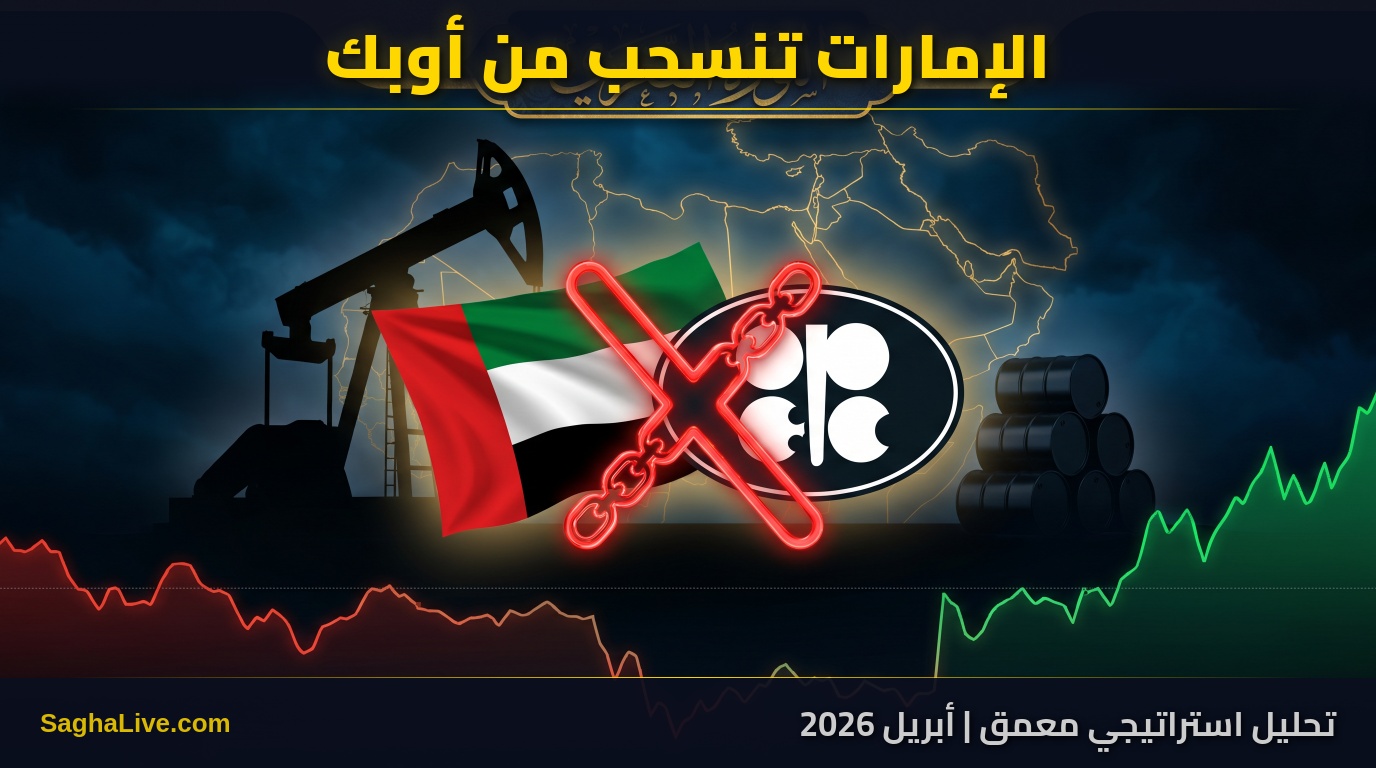
Earthquake in Energy Markets: Was the UAE's OPEC Withdrawal a Calculated Move or a Reaction to the Crisis?
زلزال في أسواق الطاقة: هل كان انسحاب الإمارات من أوبك خطوة محسوبة أم رد فعل على الأزمة؟
Financial Disclaimer: This article is for educational and informational purposes only. It does not constitute financial or investment advice. All investment decisions are solely your responsibility. Past performance does not guarantee future results.
إخلاء المسؤولية المالية: هذا المقال للأغراض التعليمية والتحليلية فقط، ولا يُعد نصيحة مالية أو استثمارية. قرارات البيع والشراء هي مسؤوليتك الشخصية الكاملة. الأداء السابق لا يضمن النتائج المستقبلية.
Earthquake in Energy Markets: Was the UAE’s Withdrawal from OPEC a Calculated Move or a Reaction to Crisis?
Amidst the turbulent geopolitical storms sweeping across the Middle East, the United Arab Emirates’ announcement on April 28, 2026, of its official withdrawal from the Organization of the Petroleum Exporting Countries (OPEC) and the OPEC+ alliance sent shockwaves through global energy markets. This decision ends a membership spanning nearly six decades and strips the organization of its third-largest oil producer, contributing approximately 2.9 million barrels per day—about 12% of OPEC’s total output.
As markets scrambled to assess the immediate repercussions of this unexpected exit, a crucial question emerged: Was this withdrawal merely an impulsive reaction to the region’s escalating crises, or the culmination of a long-term strategic trajectory meticulously planned by Abu Dhabi? The evidence suggests a deliberate maneuver aligned with a broader vision.
Strategic Autonomy: The UAE’s “North Star” Policy
To decode the true motivations behind this UAE decision, it is essential to consider the broader context of profound shifts in Abu Dhabi’s foreign and economic policies over the past decade. The UAE has increasingly embraced what senior officials describe as “strategic autonomy”—a stance favoring flexibility and pragmatism over rigid collective commitments that could constrain national ambitions and limit maneuverability. As Dr. Anwar Gargash, diplomatic advisor to the UAE President, stated, “Strategic autonomy remains the UAE’s enduring choice.”
This approach is not new; it has been evident through a series of pivotal decisions aimed at bolstering the UAE’s position as an independent regional power. In 2020, the UAE took the bold step of becoming the first Gulf state to sign the Abraham Accords, normalizing relations with Israel. In 2022, it shifted its weekend to align with global markets, prioritizing integration into the global economy over entrenched regional traditions. The UAE also gradually withdrew from the military coalition in Yemen when its priorities diverged from those of its allies.
Within this framework, the exit from OPEC appears both logical and consistent. The UAE no longer wishes to be constrained by production quotas dictated by an organization effectively led by Saudi Arabia. Instead, it seeks full freedom to manage its oil resources in a way that directly serves its national interests.
Quota Battles and the Race Against Time: Monetizing Assets Before It’s Too Late
The tensions between the UAE and Saudi Arabia within OPEC are far from new. Since 2020, frictions have increasingly surfaced, culminating in July 2021 when the UAE openly opposed extending production cuts, demanding an increase in its baseline production from 3.168 million to 3.8 million barrels per day.
The core of this dispute lies in fundamental economic priority differences between the two Gulf neighbors. Saudi Arabia, heavily reliant on oil revenues to fund its ambitious “Vision 2030” projects, requires high oil prices—estimated around $80-85 per barrel—and thus favors supply restrictions to maintain these levels. Conversely, the UAE boasts a significantly more diversified economy, with non-oil sectors accounting for approximately 75% of its GDP, granting it greater flexibility.
More importantly, the UAE has invested billions to boost its oil production capacity to 5 million barrels per day by 2027. Abu Dhabi fears that the accelerating global shift toward clean energy will sharply reduce oil demand in the near future, potentially leaving it with so-called “stranded assets” that cannot be monetized. Consequently, the UAE pursues a clear strategy to maximize production and sales in the short to medium term, directly opposing OPEC’s policy of curbing output to support prices.
| Comparison Aspect | United Arab Emirates | Kingdom of Saudi Arabia |
|---|---|---|
| Primary Objective | Maximize sales volume and monetize reserves | Maintain high prices to finance projects |
| Target Production Capacity | 5 million barrels per day by 2027 | Maintain market stability |
| Economic Diversification | 75% of GDP from non-oil sectors | Heavily dependent on oil revenues |
| OPEC Policy Stance | Demand increased quotas and flexibility | Lead production cut efforts |
Geopolitical Dimension: Iran’s War and Petrodollar Diplomacy
The sensitive timing of the withdrawal cannot be overlooked, coinciding with an unprecedented military escalation in the region. Since late February 2026, intense clashes erupted between the United States and Israel on one side, and Iran on the other, resulting in the closure of the Strait of Hormuz—the vital artery for global energy flows.
Although the UAE did not participate directly in military operations, it suffered the most from Iranian attacks targeting its civilian infrastructure. Abu Dhabi responded firmly, closing its embassy in Tehran, withdrawing diplomatic staff, and deeming the temporary ceasefire “insufficient,” calling instead for a decisive resolution to recurring Iranian threats.
This escalation exposed deep fractures within existing regional alliances. The UAE closely monitored neighboring states’ positions and appears to have concluded that remaining in alliances led by other regional powers no longer adequately serves its national security. Moreover, the closure of the Strait of Hormuz caused a 27% drop in OPEC production in March 2026, starkly revealing the organization’s vulnerability to major geopolitical crises.
Additionally, the decision carries significant financial implications. With oil exports disrupted, Gulf states faced a “sharp dollar revenue gap.” Despite the UAE’s sovereign assets exceeding $2 trillion, it sought currency swap lines from the U.S. Treasury to ensure dollar liquidity, hinting at the possibility of settling oil transactions in Chinese yuan if necessary. This move reflects the UAE’s growing ambition to position itself as an independent global financial hub, skillfully navigating between great powers and leveraging its oil and financial influence as potent diplomatic tools.
Future Implications: Are We Witnessing a Gulf Realignment?
The UAE’s departure from OPEC is not merely an economic decision; it is a clear declaration of an emerging regional power striving to redraw the rules of the game both regionally and globally. While Iraq has reaffirmed its commitment to remain in the organization to ensure price stability, analysts believe the UAE’s move may encourage other countries to reassess their membership’s viability—especially following Qatar’s exit in 2019 and Angola’s in 2024.
In the short term, the withdrawal may not drastically impact global oil supplies, given that the current challenge primarily stems from disrupted shipping routes through the Strait of Hormuz rather than production capacity itself. However, once regional tensions subside, the UAE will be free to pump millions of additional barrels into the market, potentially exerting significant downward pressure on prices and igniting fierce competition over market shares among producers.
In conclusion, it is clear that the UAE’s exit from OPEC was neither a spontaneous reaction nor a mere response to a transient crisis. Rather, it is the culmination of a carefully crafted strategy aimed at liberating the UAE’s economy from collective constraints, securing maximum returns from its oil wealth ahead of the post-oil era, and, most importantly, asserting its independence as a key geopolitical player who charts its own course with confidence and determination. This step reflects a self-assured vision of a nation looking toward a broader, more autonomous horizon.
زلزال في أسواق الطاقة: هل كان انسحاب الإمارات من أوبك خطوة محسوبة أم رد فعل على الأزمة؟
في خضم اضطرابات جيوسياسية عاصفة تعصف بمنطقتنا العربية، لفت انتباهي إعلان دولة الإمارات العربية المتحدة في 28 أبريل 2026، انسحابها الرسمي من منظمة الدول المصدرة للنفط (أوبك) وتحالف \"أوبك+\". هذا القرار، في تقديري، جاء كالصاعقة التي هزت أروقة أسواق الطاقة العالمية. إنها خطوة تنهي عضوية استمرت لنحو ستة عقود، وتجرّد المنظمة من ثالث أكبر منتج للنفط فيها، والذي يساهم بنحو 2.9 مليون برميل يومياً، أي ما يعادل 12% من إجمالي إنتاج المنظمة. وهذا ليس بالأمر الهين أبداً.
وبينما هرعت الأسواق لتحليل التداعيات الفورية لهذا الانسحاب المفاجئ، يبرز تساؤل جوهري يطرح نفسه بقوة، ومن خلال متابعتي للسوق أراه سؤالاً محورياً: هل كان هذا الانسحاب مجرد رد فعل انفعالي على الأزمات الإقليمية الملتهبة، أم أنه تتويج لمسار استراتيجي طويل الأمد، خططت له أبوظبي بعناية فائقة؟ بناءً على خبرتي في تحليل الأسواق، أرى أن الأرجح أننا أمام تحرك مدروس يخدم رؤية أبعد مدى بكثير.
الاستقلالية الاستراتيجية: \"النجم الشمالي\" للسياسة الإماراتية
لفك شفرة الدوافع الحقيقية وراء هذا القرار الإماراتي، ينبغي علينا أن ننظر إلى الصورة الأوسع للتحولات الجذرية في السياسة الخارجية والاقتصادية لأبوظبي على مدى العقد الماضي. لقد تبنت الإمارات نهجاً متزايداً نحو ما يصفه مسؤولون رفيعون بـ \"الاستقلالية الاستراتيجية\"، وهو توجه يفضل المرونة والبراغماتية على الالتزامات الجماعية الصارمة التي قد تقيّد طموحات الدولة وتحد من قدرتها على المناورة. وكما صرح الدكتور أنور قرقاش، المستشار الدبلوماسي لرئيس دولة الإمارات، فإن \"الاستقلالية الاستراتيجية تظل الخيار الدائم لدولة الإمارات.\" هذه الكلمات تحمل الكثير من المعاني في طياتها.
هذا التوجه ليس بجديد، بل تجلى في سلسلة من القرارات المفصلية التي اتخذتها الإمارات لتعزيز مكانتها كقوة إقليمية مستقلة. ففي عام 2020، خطت الإمارات خطوة جريئة لتكون أول دولة خليجية توقع \"اتفاقيات أبراهام\" لتطبيع العلاقات مع إسرائيل. وفي عام 2022، أقدمت على تغيير عطلة نهاية الأسبوع لتتوافق مع الأسواق العالمية، مفضلة بذلك الاندماج في الاقتصاد العالمي على التقاليد الإقليمية الراسخة. ولم تتردد أيضاً في الانسحاب تدريجياً من التحالف العسكري في اليمن عندما تعارضت أولوياتها مع حلفائها. هل هذه مجرد مصادفات؟ لا أعتقد ذلك.
وفي هذا السياق، يبدو الانسحاب من أوبك خطوة منطقية ومتسقة تماماً مع هذا المسار. فالإمارات لم تعد ترغب في أن تكون مقيدة بحصص إنتاجية تحددها منظمة تقودها فعلياً المملكة العربية السعودية، بل تسعى لامتلاك حرية كاملة في إدارة مواردها النفطية بما يخدم مصالحها الوطنية المباشرة. وهذا حق طبيعي لأي دولة ذات سيادة.
صراع الحصص وسباق الزمن: تسييل الأصول قبل فوات الأوان
دعني أقول لك بصراحة، الخلافات بين الإمارات والسعودية داخل أروقة أوبك ليست وليدة اليوم بأي حال من الأحوال. فمنذ عام 2020، بدأت التوترات تطفو على السطح بشكل متزايد، وبلغت ذروتها في يوليو 2021 عندما عارضت الإمارات علناً تمديد قيود الإنتاج، مطالبة برفع خط الأساس لإنتاجها من 3.168 مليون إلى 3.8 مليون برميل يومياً. هذه المطالب لم تأتِ من فراغ.
يعود جوهر هذا الخلاف إلى تباين عميق في الأولويات الاقتصادية بين البلدين الشقيقين. فالسعودية، التي تعتمد بشكل كبير على عائدات النفط لتمويل مشاريع \"رؤية 2030\" الضخمة والطموحة، تحتاج إلى أسعار نفط مرتفعة (تُقدر بنحو 80-85 دولاراً للبرميل)، وتفضل تقييد الإمدادات لتحقيق هذا الهدف. في المقابل، تمتلك الإمارات اقتصاداً أكثر تنوعاً بشكل ملحوظ، حيث تشكل القطاعات غير النفطية نحو 75% من ناتجها المحلي الإجمالي، ما يمنحها مرونة أكبر. هذا التنوع هو ورقة قوة لا يمكن تجاهلها.
والأهم من ذلك، استثمرت الإمارات مليارات الدولارات لرفع طاقتها الإنتاجية من النفط إلى 5 ملايين برميل يومياً بحلول عام 2027. يبدو أن أبوظبي تخشى من أن التحول العالمي المتسارع نحو الطاقة النظيفة قد يؤدي إلى تراجع حاد في الطلب على النفط في المستقبل غير البعيد، مما قد يتركها مع ما يسمى بـ \"الأصول العالقة\" (Stranded Assets) التي لا يمكن الاستفادة منها. لذلك، تتبنى الإمارات استراتيجية واضحة لتعظيم الإنتاج والمبيعات في المدى القريب والمتوسط، وهو ما يتعارض بشكل مباشر مع سياسة أوبك القائمة على تقييد الإنتاج لدعم الأسعار. إنها محاولة لتأمين المستقبل الاقتصادي.
| وجه المقارنة | الإمارات العربية المتحدة | المملكة العربية السعودية |
|---|---|---|
| الهدف الرئيسي | تعظيم حجم المبيعات وتسييل الاحتياطيات | الحفاظ على أسعار مرتفعة لتمويل المشاريع |
| الطاقة الإنتاجية المستهدفة | 5 ملايين برميل يومياً بحلول 2027 | الحفاظ على استقرار السوق |
| التنوع الاقتصادي | 75% من الناتج المحلي غير نفطي | اعتماد كبير على العائدات النفطية | \n
| السياسة داخل أوبك | \nالمطالبة بزيادة الحصص والمرونة | \nقيادة جهود خفض الإنتاج | \n
البعد الجيوسياسي: حرب إيران ودبلوماسية البترودولار
لا يمكن بأي حال من الأحوال تجاهل التوقيت الحساس لقرار الانسحاب، والذي جاء في خضم تصعيد عسكري غير مسبوق في المنطقة. فمنذ أواخر فبراير 2026، اندلعت مواجهات عسكرية حادة بين الولايات المتحدة وإسرائيل من جهة، وإيران من جهة أخرى، مما أدى إلى إغلاق مضيق هرمز، ذلك الشريان الحيوي لتدفقات الطاقة العالمية. هذا التوقيت، في تقديري، ليس مصادفة.
رغم أن الإمارات لم تشارك بشكل مباشر في العمليات العسكرية، إلا أنها كانت الأكثر تضرراً من الهجمات الإيرانية التي استهدفت بنيتها التحتية المدنية. وقد اتخذت أبوظبي موقفاً حازماً، حيث أغلقت سفارتها في طهران وسحبت طاقمها الدبلوماسي، واعتبرت الهدنة المؤقتة \"غير كافية\"، مطالبة بحل جذري للتهديدات الإيرانية المتكررة. هذا الموقف يعكس رؤية واضحة لمصالحها.
هذا التصعيد كشف عن تصدعات عميقة في التحالفات الإقليمية القائمة. فقد راقبت الإمارات عن كثب مواقف الدول المجاورة، ويبدو أنها خلصت إلى أن البقاء في تحالفات تقودها قوى إقليمية أخرى لم يعد يخدم أمنها القومي بالقدر الكافي. كما أن إغلاق مضيق هرمز أدى إلى تراجع إنتاج أوبك بنسبة 27% في مارس 2026، مما أظهر بوضوح هشاشة المنظمة في مواجهة الأزمات الجيوسياسية الكبرى. وما يثير القلق هنا هو أن هذه الهشاشة قد تتكرر.
علاوة على ذلك، برز بعد مالي استراتيجي مهم للقرار. فمع تعطل الصادرات النفطية، واجهت دول الخليج \"فجوة حادة في الإيرادات الدولارية\". ورغم امتلاك الإمارات لأصول سيادية ضخمة تتجاوز 2 تريليون دولار، إلا أنها سعت للحصول على خطوط مبادلة عملات من وزارة الخزانة الأمريكية لضمان السيولة الدولارية، ملوحة بإمكانية تسوية صفقات النفط باليوان الصيني إذا لزم الأمر. هذا التحرك يعكس طموح الإمارات المتنامي لتعزيز مكانتها كمركز مالي عالمي مستقل، قادر على المناورة ببراعة بين القوى العظمى واستخدام نفوذها النفطي والمالي كأداة دبلوماسية قوية وفعالة. إنها رسالة واضحة لكل من يتابع المشهد الاقتصادي والسياسي.
التداعيات المستقبلية: هل نشهد إعادة اصطفاف خليجي؟
إن انسحاب الإمارات من أوبك ليس مجرد قرار اقتصادي بحت، بل هو إعلان صريح عن بزوغ قوة إقليمية تسعى جاهدة لإعادة رسم قواعد اللعبة في المنطقة والعالم. فبينما أكد العراق التزامه بالبقاء في المنظمة لضمان استقرار الأسعار، أرى أن خطوة الإمارات قد تشجع دولاً أخرى على إعادة تقييم جدوى عضويتها، خاصة بعد انسحاب قطر في عام 2019 وأنغولا في عام 2024. هل سنرى المزيد من الانسحابات؟ هذا وارد جداً.
على المدى القصير، قد لا يكون للانسحاب تأثير دراماتيكي فوري على إمدادات النفط العالمية، نظراً لأن المشكلة الحالية تكمن أساساً في تعطل طرق الشحن عبر مضيق هرمز وليس في القدرة الإنتاجية بحد ذاتها. لكن دعنا نكن صريحين، بمجرد استقرار الأوضاع الإقليمية، ستكون الإمارات حرة تماماً في ضخ ملايين البراميل الإضافية إلى الأسواق، مما قد يضع ضغوطاً هبوطية كبيرة على الأسعار ويشعل منافسة شرسة على الحصص السوقية بين المنتجين. وهذا ما يجب أن يراقبه المستثمرون جيداً.
في الختام، يمكنني القول بثقة، بناءً على تحليلي وخبرتي، إن انسحاب الإمارات من أوبك لم يكن وليد الصدفة أو مجرد رد فعل على أزمة عابرة. بل هو تتويج لاستراتيجية مدروسة بعناية، تهدف إلى تحرير الاقتصاد الإماراتي من القيود الجماعية، وتأمين أقصى عائد ممكن من ثروتها النفطية قبل بدء عصر ما بعد النفط، والأهم من ذلك كله، تأكيد استقلاليتها كلاعب جيوسياسي رئيسي لا يتبع خطى الآخرين، بل يرسم مساره الخاص بثبات وعزم. إنها خطوة تعكس ثقة بالنفس ورؤية مستقبلية لدولة تتطلع إلى أفق أوسع وأكثر استقلالية، وهذا ما يجعلها محط اهتمامي كمحلل مالي.


Reader Comments تعليقات القراء
Leave a Comment اترك تعليقاً
Loading comments...
جارٍ تحميل التعليقات...