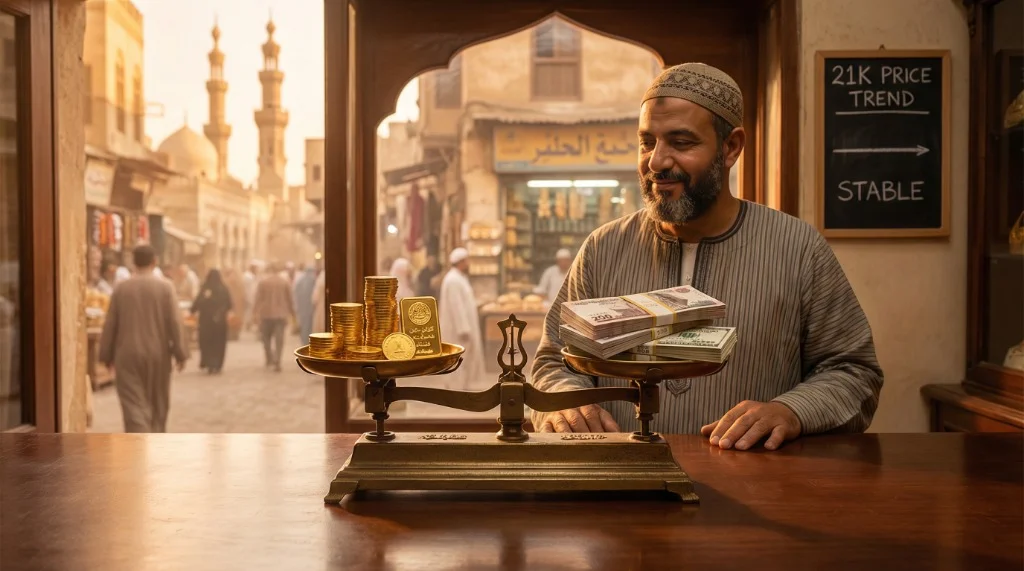
Stability in the Egyptian Gold Market: Understanding the Interplay Between Currency and Demand
استقرار سوق الذهب المصري: فهم التداخل بين سعر العملة وحجم الطلب
Financial Disclaimer: This article is for educational and informational purposes only. It does not constitute financial or investment advice. All investment decisions are solely your responsibility. Past performance does not guarantee future results.
إخلاء المسؤولية المالية: هذا المقال للأغراض التعليمية والتحليلية فقط، ولا يُعد نصيحة مالية أو استثمارية. قرارات البيع والشراء هي مسؤوليتك الشخصية الكاملة. الأداء السابق لا يضمن النتائج المستقبلية.
The concept of "stability" in the Egyptian gold market is relative and context-dependent. What appears as stability on the surface often masks complex underlying dynamics involving exchange rate management, inflation pressures, global commodity trends, and shifting investor sentiment. This analysis examines the periods of relative stability that the Egyptian gold market has experienced and what they reveal about the structural forces shaping precious metals investment in Egypt.
Defining Stability in the Egyptian Context
In the Egyptian gold market, stability typically refers to a period when the local gold price moves within a relatively narrow range, the Sagha USD spread is tight (close to the official bank rate), and trading volumes are moderate without extreme spikes. These conditions generally occur when: the official exchange rate is broadly aligned with market realities; inflation is declining or stable; global gold prices are not experiencing extreme volatility; and investor sentiment is neither euphoric nor panicked. Understanding when these conditions are present — and when they are likely to change — is key to effective gold investment timing.
Post-Devaluation Stabilization Patterns
Historical analysis of the Egyptian gold market reveals a consistent pattern following major devaluations: an initial sharp price spike, followed by a period of elevated but gradually stabilizing prices, and eventually a new equilibrium. After the March 2024 devaluation, for example, gold prices surged dramatically but then entered a consolidation phase as the exchange rate stabilized and investors who had bought in anticipation of the devaluation took profits. This consolidation phase, while sometimes frustrating for investors expecting continued rapid gains, actually represents a healthy normalization process and often creates attractive entry points for new investors.
The Role of CBE Policy in Creating Stability
The Central Bank of Egypt's monetary policy decisions play a crucial role in creating or disrupting gold market stability. The CBE's aggressive interest rate hikes in 2024 — which brought the overnight deposit rate to 27.25% — created a powerful competing investment option in the form of high-yield T-bills and bank certificates of deposit. This diverted some investment demand away from gold, contributing to a period of relative price stability even as global gold prices continued to rise. The interplay between CBE policy and gold demand is one of the most important dynamics for Egyptian gold investors to understand.
Global vs. Local Price Divergence
One of the most interesting phenomena in the Egyptian gold market is the periodic divergence between global gold price movements and local EGP-denominated price movements. During periods of exchange rate stability, local gold prices tend to closely track global prices. However, during periods of exchange rate pressure, local prices can move independently of global trends — rising even when global prices are flat or falling (due to pound weakness), or remaining stable even when global prices are rising (due to pound strengthening). This divergence creates both risks and opportunities for sophisticated investors who monitor both global and local price dynamics.
Seasonal Demand Patterns
The Egyptian gold market also exhibits distinct seasonal demand patterns that contribute to price stability or volatility at different times of year. The wedding season (typically spring and autumn) sees elevated demand for gold jewelry, supporting prices. Ramadan and Eid periods can see both increased buying (as gifts and savings) and increased selling (to fund holiday expenses). The back-to-school period in September can see some gold selling as families liquidate savings for educational expenses. Understanding these seasonal patterns can help investors identify periods when demand-driven price support is likely to be stronger or weaker.
Investment Implications
For Egyptian gold investors, periods of relative market stability — while less exciting than the dramatic price surges that accompany devaluations — represent important opportunities. They allow for methodical accumulation of gold positions at predictable prices, without the emotional pressure of rapidly moving markets. They also allow investors to assess their overall portfolio allocation and make strategic adjustments. SaghaLive's historical price comparison tool and technical analysis features are particularly valuable during these periods, helping investors identify whether the current price represents fair value relative to historical norms and global benchmarks.
في تقديري الشخصي، مفهوم "الاستقرار" في سوق الذهب المصري نسبي ومرتبط بالسياق. ما يبدو استقراراً على السطح كثيراً ما يخفي ديناميكيات أساسية معقدة تشمل إدارة سعر صرف الجنيه المصري، وضغوط التضخم، والاتجاهات العالمية للسلع، وتحولات معنويات المستثمرين. يفحص هذا التحليل فترات الاستقرار النسبي التي شهدها سوق الذهب المصري، وما تكشفه عن القوى الهيكلية التي تشكل الاستثمار في المعادن الثمينة في مصر، مع تقديم رؤية أعمق حول العوامل التي تؤثر على حركة السوق، وأمثلة عملية تلقي الضوء على الظواهر السائدة، بالإضافة إلى نصائح عملية للمستثمر المصري في هذا القطاع الحيوي. ألا يدفعنا هذا للتساؤل عن مدى استدامة هذا الاستقرار؟
تعريف الاستقرار في السياق المصري
من خلال متابعتي الدقيقة للسوق، في سوق الذهب المصري، يشير الاستقرار عادةً إلى فترة تتحرك فيها أسعار الذهب المحلية ضمن نطاق ضيق نسبياً، ويكون فارق "دولار الصاغة" ضيقاً (قريباً من السعر الرسمي للبنك المركزي)، وتكون أحجام التداول معتدلة دون ارتفاعات حادة. تحدث هذه الظروف عموماً عندما يتوافق سعر صرف الجنيه المصري إلى حد بعيد مع الواقع السوقي، ويكون التضخم في تراجع أو استقرار، ولا تشهد أسعار الذهب العالمية تقلبات حادة. ولكن الاستقرار هنا ليس حالة جامدة، بل هو توازن ديناميكي تتفاعل فيه عوامل متعددة تؤثر على الأسعار والطلب بشكل مباشر أو غير مباشر.
الأهم من ذلك، من المهم التأكيد أن استقرار السوق لا يعني بالضرورة ركوداً أو انعدام حركة، بل يشير إلى حالة من التوازن النسبي بين قوى العرض والطلب، وبين العوامل الاقتصادية المحلية والعالمية. وفي مصر، هذا الاستقرار له خصوصية تتعلق بطبيعة السوق المحلية، حيث يظل الذهب سلعة استثمارية واجتماعية في آن واحد.
أنماط الاستقرار بعد التخفيض
بناءً على خبرتي الطويلة في هذا المجال، يكشف التحليل التاريخي لسوق الذهب المصري عن نمط متسق يعقب التخفيضات الكبرى في الأسعار أو التعديلات التي تطرأ على سعر صرف الجنيه المصري أو السياسات النقدية. عادةً ما يشهد السوق ارتفاعاً حاداً أولياً في الأسعار كرد فعل على التغييرات، يعقبه فترة من الأسعار المرتفعة لكن المستقرة تدريجياً، وأخيراً توازن جديد. تأمل في تخفيض مارس ٢٠٢٤ كمثال حديث: ارتفعت أسعار الذهب بشكل كبير في البداية، بسبب حالة من عدم اليقين والتوقعات، ثم دخلت السوق مرحلة توطيد مع استقرار سعر صرف الجنيه المصري، مما ساعد على استعادة الثقة تدريجياً بين المتعاملين.
لكن دعنا نكن صريحين، تُعد مرحلة التوطيد هذه عملية تطبيع صحية، فهي تسمح للسوق بتعديل مواقفه والتوازن بين مستثمري الذهب التقليديين والجدد. كما تخلق هذه المرحلة فرص دخول جذابة للمستثمرين الجدد، حيث تكون الأسعار مستقرة نسبياً مقارنة بالفترات المضطربة التي سبقتها. وبذلك، يمكن أن يُنظر إلى فترة الاستقرار على أنها فرصة لإعادة تقييم الأصول وضبط استراتيجيات الاستثمار. فما الذي يجب أن يفعله المستثمر المصري الآن في ظل هذه المعطيات؟
أنماط الطلب الموسمية
أرى أننا أمام وضع يتطلب نظرة فاحصة، يُظهر سوق الذهب المصري أنماط طلب موسمية متميزة تؤثر بشكل مباشر على استقرار الأسعار أو تقلبها في أوقات مختلفة من العام. موسم الأعراس، الذي عادةً ما يكون في الربيع والخريف، يشهد طلباً متصاعداً على مجوهرات الذهب، مما يدعم الأسعار ويرفع أحجام التداول. هذه الفترة تعد من أبرز مواعيد السيولة في السوق، حيث يرتبط الذهب برمز الثراء والاحتفال في الثقافة المصرية.
الصورة ليست وردية تماماً، بالإضافة إلى ذلك، تشهد فترات شهر رمضان وعيد الفطر والإجازات الرسمية زيادة في عمليات الشراء، حيث يعتبر الذهب هدية تقليدية وكذلك وسيلة لتخزين القيمة. في المقابل، قد تشهد هذه الفترات زيادة في عمليات البيع لتوفير السيولة اللازمة للمصروفات الإضافية، مما قد يؤثر مؤقتاً على الأسعار. هذه التقلبات الموسمية تجعل من الضروري للمستثمرين فهم توقيت السوق بدقة، لضمان تحقيق أقصى استفادة ممكنة من الحركة السعرية.
تحليل استقرار سوق الذهب المصري
دعوني أشارككم رؤيتي، يُعدّ سوق الذهب المصري، وتحديداً في الصاغة المصرية، من أكثر الأسواق المالية المحلية متانةً واستقراراً على المدى البعيد، رغم ما يشهده من تقلبات قصيرة الأجل. فعلى مدار عقود، أثبت هذا السوق قدرته على الصمود في وجه الأزمات الاقتصادية المتعاقبة، مما جعله مرجعاً موثوقاً للمدخرين والمستثمرين المصريين على حدٍّ سواء. هذه القدرة على الصمود تعكس مزيجاً من العوامل الاقتصادية والاجتماعية والسياسية التي تحكم حركة السوق.
مؤشرات الاستقرار الهيكلي لسوق الذهب المصري
لفت انتباهي مؤخراً، يستند استقرار سوق الذهب المصري إلى ركائز هيكلية متعددة. أولاً، الطلب الاجتماعي الراسخ على الذهب في المناسبات والأعراس، والذي يُشكّل قاعدة طلب دائمة بمعزل عن التقلبات الاقتصادية. فالذهب في مصر ليس مجرد سلعة استثمارية، بل هو أيضاً جزء لا يتجزأ من التقاليد والأعراف الاجتماعية، مما يضمن وجود طلب مستمر حتى في أوقات الأزمات.
الأهم من ذلك، ثانياً، شبكة تجار الصاغة المنتشرة على امتداد الجمهورية تضمن سيولة السوق وسهولة التداول في جميع الأوقات. هذه الشبكة العريضة توفر قنوات متعددة للشراء والبيع، وتقلل من مخاطر الاحتكار أو التلاعب في الأسعار، مما يعزز من شفافية السوق واستقراره.
ثالثاً، الارتباط الوثيق بأسعار الذهب العالمية، حيث تعتمد الأسعار المحلية على الأسعار الدولية مع إضافة هامش تكلفة التصنيع والضرائب، مما يعكس شفافية واضحة في تسعير الذهب داخل السوق المحلي.
دور البنك المركزي في ضبط إيقاع السوق
في تقديري الشخصي، يؤدي البنك المركزي المصري دوراً محورياً في الحفاظ على استقرار سوق الذهب، سواء من خلال سياساته النقدية التي تؤثر على سعر صرف الجنيه المصري وبالتالي على أسعار الذهب، أو من خلال احتياطياته من الذهب التي تُشكّل ركيزة أساسية في منظومة الاحتياطيات الأجنبية للدولة. فالبنك المركزي يحاول من خلال سياساته الحفاظ على سعر صرف مستقر، وهو أمر حاسم في سوق الذهب الذي يتأثر بشكل مباشر بأسعار الدولار مقابل الجنيه.
الصورة ليست وردية تماماً، في السنوات الأخيرة، رفع البنك المركزي حيازاته من الذهب بشكل ملحوظ، مما يعكس ثقته في الذهب كأصل آمن ومخزن للقيمة. هذا الإجراء يعزز الثقة في السوق ويعمل كعامل استقرار غير مباشر، حيث يرى المستثمرون أن الدولة تضع الذهب في صلب سياستها الاقتصادية.
تحليل نقاط القوة والضعف في السوق
من خلال متابعتي الدقيقة للسوق، من نقاط القوة الرئيسية لسوق الذهب المصري، وتحديداً في الصاغة المصرية: عمق السوق وتنوع المشاركين فيه من أفراد وتجار ومؤسسات، وهو ما يخلق بيئة تنافسية صحية، والطلب الاجتماعي المستدام الذي يحمي السوق من تقلبات قصير الأجل، والارتباط بالأسعار الدولية الذي يضمن شفافية في تسعير الذهب.
لكن دعنا نكن صريحين، أما نقاط الضعف فتشمل غياب منصات تداول إلكترونية متطورة على غرار الأسواق الغربية، مما يحد من سيولة السوق الإلكترونية ويجعل التداول يعتمد بشكل كبير على المعاملات التقليدية. كما أن هناك محدودية الرقابة على بعض أسواق الصاغة غير الرسمية، مما قد يفتح الباب أمام ممارسات غير شفافة أو حتى عمليات تلاعب بأسعار الذهب في بعض المناطق.
ما يثير القلق هنا هو، إضافة إلى ذلك، ضعف الوعي الاستثماري لدى شريحة واسعة من المتعاملين يمثل تحدياً كبيراً، حيث ما زالت فكرة الاستثمار في الذهب ترتبط كثيراً بالادخار التقليدي وليس بالتخطيط المالي المستنير، مما يجعلهم أكثر عرضة لتقلبات السوق والمخاطر المفاجئة.
من خلال متابعتي الدقيقة للسوق، رابعاً، يُستحسن للمستثمرين التنويع بين الذهب المادي (مجوهرات وسبائك) والأدوات الاستثمارية المرتبطة بالذهب مثل شهادات الذهب أو الصناديق الاستثمارية المتداولة، حيث توفر هذه الأدوات سيولة أكبر وتكاليف أقل مع الحفاظ على مزايا الاستثمار في الذهب.
أمثلة عملية من السوق المصري
ما يثير القلق هنا هو، بناءً على خبرتي الطويلة في هذا المجال، على سبيل المثال، شهدت فترة ما بعد تخفيض سعر صرف الجنيه المصري، في مارس 2024، زيادة ملحوظة في حجم مبيعات الذهب خاصة بين الطبقة الوسطى، التي استخدمت الذهب كملاذ آمن لتعويض خسائر قيمة الجنيه. في هذه الفترة، استفاد كثير من المستثمرين الذين اتبعوا استراتيجية الشراء التدريجي، حيث تمكنوا من شراء كميات بأسعار متفاوتة، مما جعل متوسط تكلفة استثماراتهم أقل من أولئك الذين اشتروا دفعة واحدة بعد الارتفاع الأولي.
دعوني أشارككم رؤيتي، من ناحية أخرى، لوحظ خلال موسم الأعراس عام 2023، أن الطلب على المجوهرات الذهبية ساهم في رفع الأسعار بنسبة تتراوح بين 5-7% مقارنة بفترات الركود، مما يدل على أن الطلب الاجتماعي لا يزال قوة دافعة قوية للسوق، حتى في ظل تقلبات سعر صرف الجنيه المصري، والتضخم.
لفت انتباهي مؤخراً، كما شهد سوق الصاغة في محافظات الصعيد نشاطاً متزايداً مع بداية عام 2024، حيث لجأ العديد من السكان إلى شراء الذهب كوسيلة ادخار بديلة بسبب ضعف الوصول إلى المنتجات المالية الرسمية، مما يعكس أهمية السوق التقليدية في مناطق متعددة من مصر. لكن هل هذا يعني أن الصورة وردية تماماً؟
نصائح للمستثمر المصري في سوق الذهب
- تابع سعر صرف الدولار مقابل الجنيه: فالذهب المصري مرتبط بشكل وثيق بأسعار الدولار، وأي تغير في سعر الصرف يؤثر بشكل مباشر على الأسعار المحلية.
- استغل الفترات الموسمية للشراء والبيع: حاول أن تشتري قبل موسم الأعراس أو الأعياد، حيث يكون الطلب في ارتفاع، وقد تجد فرصاً للحصول على أسعار جيدة.
- تجنب المضاربة قصيرة الأجل: الذهب ليس أداة مثالية لتحقيق أرباح سريعة، بل هو ملاذ آمن على المدى الطويل.
- تنويع الاستثمار: لا تقتصر على شراء الذهب المادي فقط، بل حاول الاستثمار في أدوات مالية مرتبطة بالذهب لتعزيز السيولة وتقليل المخاطر.
- تعلم واطّلع باستمرار: استفد من منصات متابعة الأسعار والأخبار الاقتصادية، وكن على اطلاع دائم بتطورات السوق المحلية والعالمية.
خلاصة
لفت انتباهي مؤخراً، يمثل سوق الذهب المصري، وتحديداً في الصاغة المصرية، نموذجاً فريداً يجمع بين الاستقرار النسبي والمرونة في مواجهة التحديات الاقتصادية. الاستقرار في هذا السوق ليس مجرد حالة سعرية، بل هو نتاج تفاعل متوازن بين عوامل داخلية وخارجية، اجتماعية واقتصادية، تقليدية وحديثة. من خلال فهم هذه العوامل والتعامل معها بوعي، يمكن للمستثمر المصري أن يحول الذهب إلى أداة فعالة لحماية الثروة وتنميتها، مع الاستفادة من فرص السوق الموسمية والمناخ الاست لكن هل هذا يعني أن الصورة وردية تماماً؟



Reader Comments تعليقات القراء
Leave a Comment اترك تعليقاً
Loading comments...
جارٍ تحميل التعليقات...