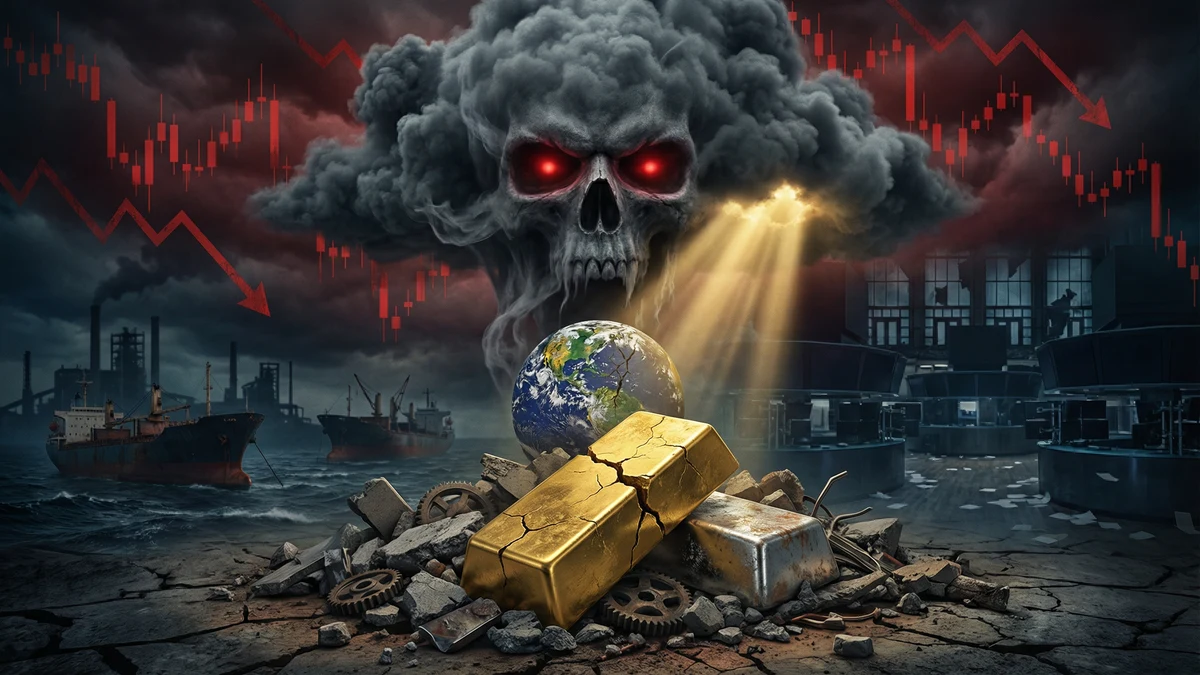
The Specter of Global Recession: The Role of Recent Conflicts in Accelerating It and Its Impact on Gold and Silver
شبح الركود يطل برأسه على العالم: دور الصراعات الأخيرة في تسريعه وتأثيره على الذهب والفضة
Financial Disclaimer: This article is for educational and informational purposes only. It does not constitute financial or investment advice. All investment decisions are solely your responsibility. Past performance does not guarantee future results.
إخلاء المسؤولية المالية: هذا المقال للأغراض التعليمية والتحليلية فقط، ولا يُعد نصيحة مالية أو استثمارية. قرارات البيع والشراء هي مسؤوليتك الشخصية الكاملة. الأداء السابق لا يضمن النتائج المستقبلية.
The global economy today is in a state of cautious anticipation, as indicators increasingly warn of an approaching economic recession. This is no longer mere academic speculation, but a reality supported by data showing slowing growth in major economies, and persistent inflation coupled with high interest rates. At the heart of this storm, recent geopolitical conflicts and trade wars are playing a pivotal role in accelerating this downturn, prompting investors to reassess their portfolios and flock to traditional safe havens like gold and silver.
The Role of Recent Conflicts in Accelerating the Recession
Recent conflicts, whether military in the Middle East and Eastern Europe, or trade and technological wars between major powers, are not just passing crises; they have delivered structural shocks to the global economy:
1. Supply Chain Disruptions and Energy Crises:
Geopolitical tensions have disrupted vital trade corridors, causing shipping costs to surge and delaying the delivery of goods. Furthermore, conflicts in energy-rich regions have led to severe volatility in oil and gas prices, increasing production costs for factories and eroding consumer purchasing power.
2. Geo-economic Fragmentation:
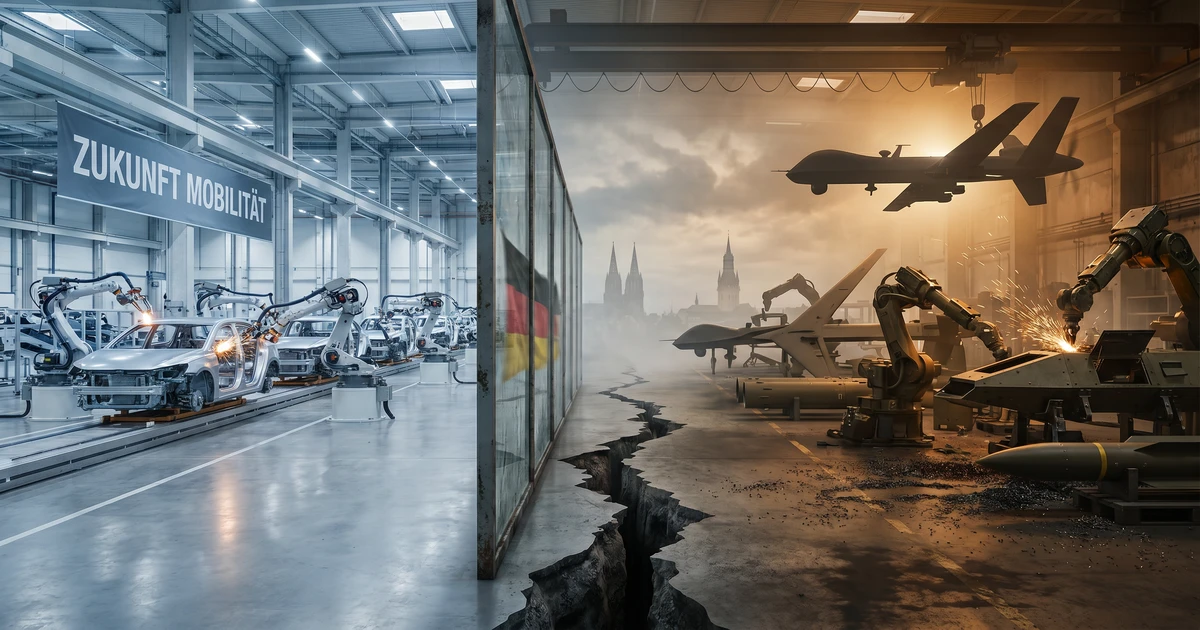
Protectionist policies and trade wars, characterized by retaliatory tariffs and restrictions on the export of sensitive technologies, have led to a decline in global trade volumes. This fragmentation reduces economic efficiency, raises the cost of goods, and stifles global economic growth, which relies heavily on free trade.
3. Crisis of Confidence and Declining Investment:
In times of geopolitical uncertainty, companies are reluctant to inject new investments or expand their operations, preferring to hoard cash. This decline in capital expenditure directly leads to slower job creation and rising unemployment rates—key hallmarks of a recession.
The Impact on Gold and Silver: Short-Term vs. Long-Term
Historically, precious metals react uniquely to economic crises and recessions, but it is crucial to distinguish between immediate knee-jerk reactions and structural long-term trends.
First: Short-Term Impact (The Liquidity Shock)
In the early stages of a recession or during a sudden financial shock, we may witness a seemingly paradoxical phenomenon:
- Gold: Gold may face temporary selling pressure. This occurs because investors and hedge funds are forced to liquidate their profitable assets (including gold) to cover margin calls and offset losses in crashing equity markets.
- Silver: Because silver is primarily an industrial metal (about 50% of its demand comes from industry), fears of a slowdown in industrial production due to the recession lead to a sharp and rapid decline in its price in the short term.
Second: Long-Term Impact (Safe Haven and Hedging)
Once the initial liquidity shock is absorbed and central banks intervene to rescue the economy, the picture changes entirely:
- Gold (Soaring to New Highs): To combat a recession, central banks are forced to cut interest rates and print money (Quantitative Easing). These policies debase fiat currencies and raise fears of future inflation, making gold the optimal choice for wealth preservation. In this phase, gold shines as the ultimate safe haven and often hits new record highs.
- Silver (The Dual Recovery): Silver benefits from gold's rise, following it as a monetary asset. As the economy begins to recover, supported by government stimulus packages (especially those directed towards green infrastructure and renewable energy, which consume massive amounts of silver), industrial demand experiences a strong resurgence. This combination of investment and industrial demand often causes silver to outperform gold (in percentage terms) during the post-recession recovery phase.
Conclusion
The specter of recession looming over the global economy, fueled by geopolitical conflicts and trade wars, is reshaping the global investment landscape. While markets may experience severe volatility in the short term, gold and silver remain among the most important strategic tools for wealth protection. The astute investor recognizes that temporary dips in precious metal prices during initial liquidity shocks may present historic opportunities to build strong investment positions in preparation for the inevitable monetary easing phase that follows a recession.
في تقديري، الاقتصاد العالمي اليوم يمر بفترة من الترقب الحذر، مع دلائل متزايدة تشير إلى اقتراب شبح الركود الاقتصادي. ومن خلال متابعتي للسوق، لم يعد الأمر مجرد تكهنات أكاديمية بل واقع ملموس تدعمه بيانات تباطؤ النمو في أكبر الاقتصادات مثل الولايات المتحدة، الاتحاد الأوروبي، والصين. والأهم من ذلك، ارتفاع معدلات التضخم المصحوبة بأسعار فائدة مرتفعة يزيد من تعقيد المشهد. ولكن هل هذا يعني أن المستثمرين فقدوا الأمل؟ بالطبع لا، فالصراعات الجيوسياسية والحروب التجارية الأخيرة تلعب دوراً حيوياً في تسريع هذا الانكماش، مما يجعل الذهب والفضة خياراً مفضلاً كملاذات آمنة في ظل هذه الظروف.
\n\n
دور الصراعات الأخيرة في تسريع الركود
\n\n
الصراعات التي نشهدها اليوم، سواء كانت عسكرية في الشرق الأوسط وأوروبا الشرقية أو اقتصادية بين القوى العظمى، ليست مجرد أزمات عابرة، بل صدمات هيكلية تهز أركان الاقتصاد العالمي. بناءً على خبرتي، هذه الأزمات تؤثر مباشرة وغير مباشرة على إنتاجية الاقتصاد، وتعيد تشكيل أولويات الدول والمستثمرين بشكل جذري.
\n\n
١. اضطراب سلاسل التوريد وأزمة الطاقة:
\nالتوترات الجيوسياسية عطلت ممرات التجارة الحيوية مثل مضيق هرمز وقناة السويس، مما أدى لارتفاع تكاليف الشحن وتتأخير وصول البضائع. وهذا الأمر له تأثير مباشر على السوق المصري، خاصة أن قناة السويس تمثل شرياناً رئيسياً للتجارة العالمية. إضافة إلى ذلك، الصراعات في مناطق مثل روسيا وأوكرانيا أدت إلى تقلبات حادة في أسعار النفط والغاز، ما يرفع من تكاليف الإنتاج ويضغط على أسعار السلع الأساسية. ارتفاع أسعار الطاقة يؤثر على كل خطوة في سلسلة الإنتاج والنقل، ويزيد من أعباء الشركات، التي قد تضطر لتقليص العمالة أو الإنتاج.
\n\n
٢. تفتت الاقتصاد العالمي (Geo-economic Fragmentation):
\nالسياسات الحمائية والحروب التجارية، مثل فرض الرسوم الجمركية والقيود على تصدير التكنولوجيا، أدت إلى تراجع التجارة العالمية. هذا الانقسام يقلل من كفاءة السوق ويرفع تكاليف السلع، وهو أمر لاحظناه بشكل واضح في مصر حيث ارتفعت أسعار بعض المنتجات المستوردة. النزاعات بين الولايات المتحدة والصين، على سبيل المثال، أضافت ضغوطاً على سلاسل التوريد وأجبرت الشركات على إعادة النظر في استراتيجياتها الإنتاجية.
\n\n
٣. أزمة الثقة وتراجع الاستثمار:
\nفي ظل غموض المشهد السياسي والاقتصادي، الشركات تحجم عن ضخ استثمارات جديدة، مفضلة الاحتفاظ بالسيولة كدرع ضد المخاطر. وهذه المعادلة تؤدي إلى تباطؤ خلق فرص العمل وارتفاع البطالة، وهو ما نراه في العديد من الأسواق. المستهلك يصبح أكثر تحفظاً في الإنفاق، مما يعمق الأزمة ويطيل أمدها. ما يثير القلق هنا أن هذا السلوك قد يدفع الاقتصاد العالمي إلى دوامة ركود يصعب الخروج منها بسرعة.
\n\n
تحليل أعمق: كيف تؤثر هذه العوامل على الاقتصاد العالمي؟
\n\n
الصراعات الجيوسياسية تخلق متغيرات اقتصادية متشابكة. ارتفاع أسعار الطاقة، على سبيل المثال، لا يؤثر فقط على المستهلكين والشركات، بل يمتد ليزيد معدلات التضخم، مما يضطر البنوك المركزية إلى رفع أسعار الفائدة لمحاولة السيطرة عليها. هذه السياسة النقدية المتشددة تؤدي إلى تباطؤ النمو الاقتصادي، حيث تصبح تكلفة الاقتراض مرتفعة، وهذا بدوره يضعف الاستثمار والإنفاق الاستهلاكي.
\n\n
وفي الوقت نفسه، صناع القرار يجدون أنفسهم في مأزق بين دعم النمو ومكافحة التضخم، وهو تحدٍ صعب مع استمرار الصراعات التي تعطل الأسواق. الصورة ليست وردية تماماً؛ فالتوترات لا تقتصر على منطقة واحدة بل تمتد لتشمل قطاعات حيوية عديدة، مما يزيد احتمالات دخول الاقتصاد العالمي في ركود طويل الأمد.
\n\n
أمثلة عملية على تأثير الصراعات على الأسواق المالية والسلع
\n\n
خلال الحرب الروسية الأوكرانية، شهدنا ارتفاعاً غير مسبوق في أسعار النفط والغاز، حيث تجاوز سعر برميل النفط 120 دولاراً في بعض الفترات، مقارنة بأقل من 50 دولاراً قبل الأزمة. هذا الارتفاع لم يؤثر فقط على الطاقة بل امتد إلى أسعار السلع الغذائية بسبب زيادة تكلفة النقل، ما أدى إلى موجات تضخم عالمية.
\n\n
وفي نفس الفترة، ارتفع الذهب بشكل ملحوظ. من خلال خبرتي في سوق الذهب، لاحظت أن المستثمرين يلجأون إليه كملاذ آمن وسط تدهور أسواق الأسهم وتقلبات العملات. مثلاً، في بداية الحرب، ارتفعت أونصة الذهب من حوالي 1800 دولار إلى أكثر من 2000 دولار. أما الفضة فشهدت تذبذباً بين الانخفاض بسبب المخاوف من تراجع الطلب الصناعي ثم التعافي مع تحسن توقعات النمو الاقتصادي العالمي.
\n\n
التأثير على الذهب والفضة: المدى القصير مقابل المدى الطويل
\n\n
المعادن الثمينة تتفاعل بشكل خاص مع الأزمات، لكن من الضروري التفرقة بين ردود الفعل اللحظية والاتجاهات الهيكلية.
\n\n
أولاً: التأثير على المدى القصير (صدمة السيولة)
\n\n
في بداية الركود أو عند وقوع صدمة مالية مفاجئة، قد نشهد ظاهرة تبدو متناقضة. فبينما نتوقع توجه الأسواق نحو الذهب والفضة كملاذ آمن، قد نرى ضغوطاً بيعية مؤقتة على الذهب. هذا يحدث لأن المستثمرين وصناديق التحوط يضطرون لتسييل أصولهم، بما فيها الذهب، لتغطية خسائر في أسواق أخرى. هذا التسييل المؤقت قد يخفض سعر الذهب رغم ارتفاع الطلب عليه كملاذ آمن.
\n\n
أما الفضة، فهي معدن صناعي بنسبة كبيرة (حوالي 50% من الطلب)، والركود الاقتصادي يقلل الطلب عليها في قطاعات مثل الإلكترونيات والطاقة الشمسية، مما يضغط على أسعارها في المدى القصير بشكل أكثر حدة.
\n\n
ثانياً: التأثير على المدى الطويل (الملاذ الآمن والتحوط)
\n\n
بعد امتصاص صدمة السيولة، وتدخل البنوك المركزية عبر خفض أسعار الفائدة وعمليات التيسير الكمي، تتغير الصورة. هذه السياسات تضعف العملات الورقية وتزيد مخاوف التضخم، مما يجعل الذهب الخيار الأمثل لحفظ الثروة. في هذه المرحلة، يتألق الذهب كملاذ نهائي، وغالباً ما يسجل مستويات قياسية جديدة، وهذا ما شهدناه مرات عدة خلال مسيرتي في تحليل سوق الذهب.
\n\n
الفضة تستفيد من هذا الارتفاع كأصل نقدي، لكنها أيضاً تستفيد من تعافي الاقتصاد بدعم تحفيزات البنية التحتية الخضراء والطاقة المتجددة التي تستهلك كميات كبيرة منها. هذا المزيج يجعل الفضة تتفوق في أدائها على الذهب، خاصة من حيث النسبة المئوية، مما يجعلها خياراً جذاباً للمستثمرين الباحثين عن فرص نمو مزدوجة.
\n\n
ماذا يعني هذا للمستثمر المصري؟
\n\n
في ظل هذه الأوضاع العالمية المتقلبة، يواجه المستثمر المصري تحديات وفرصاً في آن واحد. الاقتصاد المصري، الذي يعتمد بشكل كبير على الواردات والطاقة، يتأثر مباشرة بارتفاع أسعار النفط والسلع العالمية. كما أن تقلبات الجنيه المصري أمام العملات الأجنبية تزيد من تكلفة الاستيراد وتغذي التضخم المحلي.
\n\n
لذلك، من وجهة نظري، على المستثمر المصري تبني استراتيجية استثمارية متوازنة تأخذ في الاعتبار هذه التقلبات. الذهب والفضة يمكن أن يكونا أدوات فعالة لحماية الثروة من مخاطر التضخم وتراجع قيمة الجنيه، خصوصاً مع الضغوط التضخمية والسياسات النقدية التي قد تتأثر بالتطورات العالمية.
\n\n
أنصح المستثمرين بالاحتفاظ بجزء من محافظهم في المعادن الثمينة، خاصة الذهب كملاذ آمن. كما يمكن الاستفادة من الفضة التي تقدم فرص نمو أكبر مع تعافي الاقتصاد العالمي، لا سيما في القطاعات الصناعية والطاقة المتجددة. والأهم من ذلك، يجب تنويع الاستثمارات وعدم الاعتماد على أصل واحد، مع متابعة مستمرة للتطورات الاقتصادية والسياسية سواء محلياً أو عالمياً.
\n\n
على صعيد آخر، يجب مراقبة أسعار الفائدة المحلية، فهي تؤثر بشكل كبير على عوائد الأصول المالية الأخرى مثل السندات والأسهم، والتي بدورها تتأثر بالركود العالمي. في ظل هذه البيئة المعقدة، يصبح التخطيط المالي طويل الأجل والمرونة في تعديل الاستراتيجيات من أهم عوامل النجاح.
\n\n
الخلاصة
\n\n
شبح الركود الذي يلوح في الأفق، مدعوم بالصراعات الجيوسياسية والحروب التجارية، يعيد تشكيل خارطة الاستثمار العالمي. وبينما قد نواجه تقلبات حادة على المدى القصير، يظل الذهب والفضة من أهم الأدوات الاستراتيجية لحماية الثروات. الانخفاضات المؤقتة في الأسعار خلال صدمات السيولة قد تمثل فرصاً تاريخية لبناء مراكز استثمارية قوية استعداداً لفترة التيسير النقدي التي ستلي الركود حتماً.
\n\n
بالنسبة للمستثمر المصري، الفهم العميق لهذه الديناميكيات أمر لا غنى عنه لاتخاذ قرارات استثمارية ناجحة. الاستثمار الذكي ليس فقط بحثاً عن مكاسب سريعة، بل بناء محافظ متينة تحمي من تقلبات السوق وتغتنم فرص النمو مع تعافي الاقتصاد العالمي. في الختام، النجاح في هذه المرحلة يتطلب رؤية واضحة، صبراً، وقرارات مدروسة بعناية تستند إلى تحليل دقيق للبيئة الاقتصادية والسياسية المحيطة.

Reader Comments تعليقات القراء
Leave a Comment اترك تعليقاً
Loading comments...
جارٍ تحميل التعليقات...