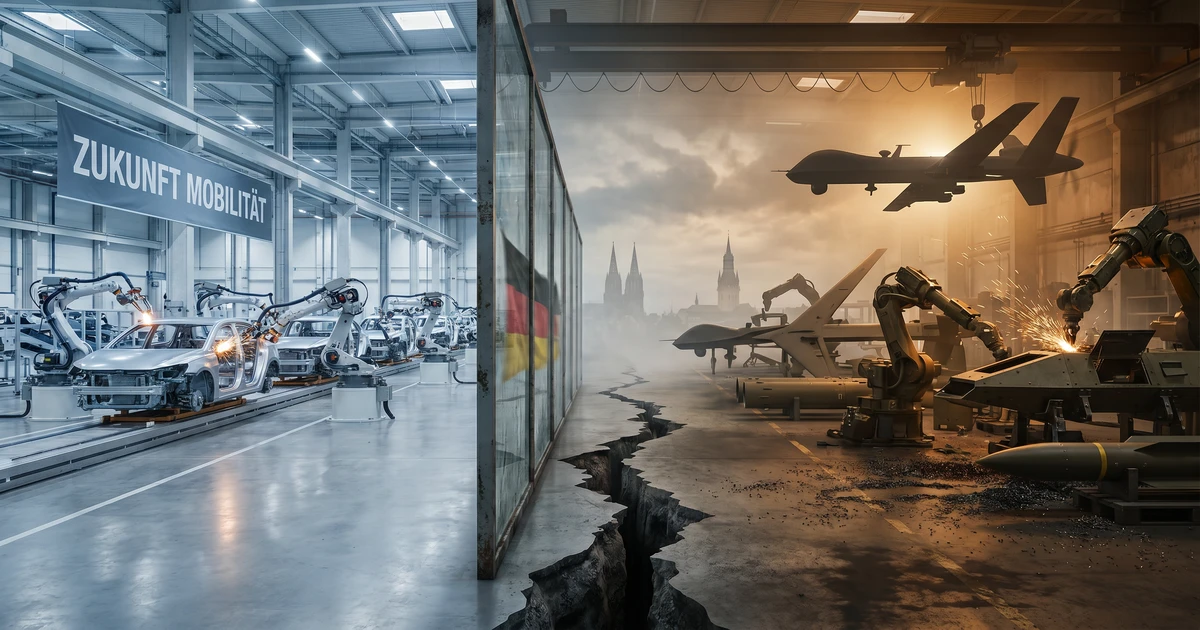
Industry's Compass Points to Cannons: How Middle East and European Conflicts Are Reshaping Global Production
بوصلة الصناعة تتجه نحو المدافع: كيف أعادت صراعات الشرق الأوسط وأوروبا تشكيل الإنتاج العالمي؟
Financial Disclaimer: This article is for educational and informational purposes only. It does not constitute financial or investment advice. All investment decisions are solely your responsibility. Past performance does not guarantee future results.
إخلاء المسؤولية المالية: هذا المقال للأغراض التعليمية والتحليلية فقط، ولا يُعد نصيحة مالية أو استثمارية. قرارات البيع والشراء هي مسؤوليتك الشخصية الكاملة. الأداء السابق لا يضمن النتائج المستقبلية.
Industry's Compass Points to Cannons: How Middle East and European Conflicts Are Reshaping Global Production
The world is witnessing a radical transformation in its industrial structure, as civilian production priorities give way to defense and military industries. This shift, reminiscent of World War II and the Cold War era, has not emerged from a vacuum. It is a direct response to escalating geopolitical tensions, led by the war in Ukraine and the explosive conflicts in the Middle East — the Gaza war and tensions with Iran. Major powers have realized that national security no longer depends solely on political alliances, but on domestic industrial capacity to meet growing military needs.
Part I: Global Military Expenditure — Unprecedented Figures
According to the latest data from the Stockholm International Peace Research Institute (SIPRI) for 2026, global military expenditure reached a record $2,887 billion in 2025, an increase of 2.9% in real terms compared to 2024 — the eleventh consecutive year of increases. The main driver of this surge was Europe, where military spending jumped 14% to $864 billion, the fastest annual growth the continent has seen since the end of the Cold War.
In the Middle East, spending stabilized at historically elevated levels of approximately $218 billion, with Israel maintaining a defense budget 97% higher than pre-Gaza war levels, despite a slight decrease in 2025 following the ceasefire agreement. Germany alone saw its military spending rise 24% to $114 billion, surpassing the 2% of GDP threshold for the first time since 1990.
Part II: Germany's "Zeitenwende" — From Cars to Missiles
Germany is the most prominent example of this industrial transformation. Historically, it relied on an export-driven economic model led by its powerful automotive industry. However, economic stagnation, fierce Chinese competition, and declining global demand for vehicles coincided with the outbreak of war in Ukraine, prompting Berlin to declare "Zeitenwende" — a historic turning point.
In 2025, Mercedes-Benz profits fell by nearly half, Volkswagen earnings dropped by more than 40%, and Porsche's operating profit nearly reached zero. In contrast, Volkswagen entered talks with Israeli firms to produce components for the Iron Dome air defense system. Schaeffler — a major automotive parts supplier — announced expansion into drone engine production and armored vehicle systems, expecting defense to account for up to 10% of its revenues. Deutz AG, specializing in drive systems, pivoted to supply engines for Patriot air defense systems, drones, and armored vehicles, boosting its revenues by 15% in 2025.
Rheinmetall is leading this boom, opening a massive ammunition factory in August 2025 with investments exceeding €500 million, producing up to 25,000 artillery shells (155mm) this year, with capacity expected to reach 350,000 units annually by 2027 — making it the world's largest. Job applications at the company rose from 59,000 in 2021 to 175,000 in 2025.
Part III: The Middle East — Global Demand Catalyst and Industry Localization
The repercussions of Middle East conflicts have not been limited to the region; they have extended to revitalize the budgets of global defense companies. RTX (Raytheon) revenues rose 9% in Q1 2026 to $22.08 billion, with Raytheon's division growing 10% due to demand for air defense and missile systems, securing a $3.7 billion contract to supply Patriot missiles to Ukraine.
On the Israeli front, defense companies experienced an unprecedented boom: Elbit Systems revenues rose 16% to $7.9 billion, with backlog orders reaching $28.1 billion (72% from outside Israel). Rafael recorded 30% sales growth to 21.7 billion shekels in 2025.
Meanwhile, Gulf states recognized the danger of complete dependence on military imports in an unstable region. Saudi Arabia raised its military industry localization rate to 24.89% according to the Vision 2030 annual report released in April 2026, up from just 7.7% in 2016, on its way toward the 50% target by 2030.
Part IV: The Drone Revolution — When Civilian Factories Become the First Line of Defense
The wars in Ukraine and Gaza proved that cheap, commercially available technology like drones can change the rules of military engagement. By 2024, Ukraine alone manufactured approximately 2 million drones, including 1.5 million domestically produced. This intensive reliance forced the global defense industry to adapt rapidly, opening the door for technology startups and civilian companies — such as automotive engine factories — to enter the defense market, blurring the lines between civilian and military industries.
The focus is no longer solely on expensive stealth fighters, but on mass production of attack and kamikaze drones, jamming systems, and low-cost air defenses. This technological shift has made it easier than ever for civilian companies like automotive and engine manufacturers to enter the defense market.
Conclusion
The industrial transformation we are witnessing today is not merely a temporary response to passing crises, but a deep restructuring of the global economy. While traditional automakers' profits decline, ammunition factories and drone plants flourish. The conflicts in the Middle East and Europe have imposed a new reality: national security requires a flexible industrial base capable of rapidly shifting from civilian to military production. In this new era, factories have become the first line of defense.
Sources: SIPRI 2026, Wall Street Journal, Reuters, Al Jazeera, Saudi Vision 2030
بوصلة الصناعة تتجه نحو المدافع: كيف أعادت صراعات الشرق الأوسط وأوروبا تشكيل الإنتاج العالمي؟
يا جماعة الخير، من خلال متابعتي الدقيقة للأسواق العالمية، وصدقوني هذا ليس مجرد تحليل عابر، نرى تحولاً صناعياً غير مسبوق. العالم اليوم يشهد انقلاباً جذرياً في أولويات الإنتاج، حيث تتراجع الصناعات المدنية شيئاً فشيئاً لتفسح المجال أمام الصناعات الدفاعية والعسكرية. هذا التحول، الذي في تقديري يُعيد للأذهان حقبة الحرب العالمية الثانية والحرب الباردة، لم يأتِ من فراغ أبداً، بل هو استجابة مباشرة لتصاعد التوترات الجيوسياسية، وعلى رأسها الحرب في أوكرانيا والصراعات المتفجرة في منطقتنا – حرب غزة والتوترات المستمرة مع إيران. أرى أن الدول الكبرى أدركت متأخرةً أن الأمن القومي لم يعد يعتمد فقط على التحالفات السياسية والورقية، بل بات يعتمد بشكل أساسي على القدرة الصناعية الذاتية لتلبية الاحتياجات العسكرية المتزايدة.
أولاً: الإنفاق العسكري العالمي — أرقام غير مسبوقة تستحق التوقف عندها
دعوني أشارككم أرقاماً، وأنا كخبير مالي، الأرقام هي لغتي التي لا تخطئ. ما نشهده الآن، وفقاً لأحدث بيانات معهد ستوكهولم الدولي لأبحاث السلام (SIPRI) لعام 2026، أمر لم نراه منذ فترة طويلة. تخيلوا معي، وصل الإنفاق العسكري العالمي في عام 2025 إلى مستوى قياسي بلغ 2887 مليار دولار، بزيادة قدرها 2.9% بالقيمة الحقيقية مقارنة بعام 2024، وهذا هو العام الحادي عشر على التوالي من الزيادات المستمرة! هل نتوقع أن يستمر هذا الارتفاع؟ في تقديري نعم، طالما استمرت الأسباب. والأهم من ذلك، أن المحرك الرئيسي لهذا الارتفاع كان القارة الأوروبية، حيث قفز الإنفاق العسكري بنسبة 14% ليصل إلى 864 مليار دولار، وهو أسرع نمو سنوي تشهده القارة منذ نهاية الحرب الباردة. هذا رقم صادم حقاً.
وفي منطقتنا، الشرق الأوسط، الصورة ليست ببعيدة، بل هي جزء لا يتجزأ من هذه المعادلة. استقر الإنفاق عند مستويات مرتفعة تاريخياً بلغت حوالي 218 مليار دولار، مع استمرار إسرائيل في الحفاظ على ميزانية دفاعية تفوق مستويات ما قبل حرب غزة بنسبة 97%، ورغم الانخفاض الطفيف في عام 2025 بعد اتفاق وقف إطلاق النار، فإن الأساس يظل متيناً. لفت انتباهي بشكل خاص ارتفاع الإنفاق العسكري لألمانيا منفردةً بنسبة 24% ليصل إلى 114 مليار دولار، متجاوزاً عتبة 2% من الناتج المحلي الإجمالي لأول مرة منذ عام 1990. هذا يعكس تغييراً في الفلسفة الاقتصادية لدولة كبرى.
ثانياً: \"نقطة التحول\" الألمانية — من السيارات إلى الصواريخ، قصة يجب أن نتعلم منها
ألمانيا، يا سادة، تُعد في تقديري الشخصي، خير مثال على ما أتحدث عنه. دولة كانت رائدة عالمياً، تعتمد على نموذج اقتصادي قائم على التصدير تقوده صناعة السيارات القوية. لكن دعنا نكن صريحين، الركود الاقتصادي، والمنافسة الصينية الشرسة، وتراجع الطلب العالمي على السيارات، تزامنت بشكل درامي مع اندلاع الحرب في أوكرانيا، مما دفع برلين إلى إعلان \"Zeitenwende\" — أو \"نقطة تحول\" تاريخية. هذه ليست مجرد كلمة، بل هي استراتيجية شاملة.
ما يثير القلق هنا، والذي يوضح حجم التحول، هو ما حدث في عام 2025: انخفضت أرباح مرسيدس-بنز بنسبة تقارب النصف، وتراجعت أرباح فولكسفاغن بأكثر من 40%، وكادت أرباح بورشه التشغيلية تصل إلى الصفر. في المقابل، نرى فولكسفاغن تدخل في محادثات مع شركات إسرائيلية لإنتاج مكونات لنظام الدفاع الجوي \"القبة الحديدية\". أما شركة شيفلر (Schaeffler) — المورد الكبير لقطع غيار السيارات — أعلنت عن توسيع إنتاجها ليشمل محركات الطائرات المسيرة وأنظمة المركبات المدرعة، وتتوقع أن يمثل قطاع الدفاع ما يصل إلى 10% من إيراداتها. بل إن شركة دويتس (Deutz AG) المتخصصة في أنظمة الدفع، تحولت لتوريد محركات لأنظمة \"باتريوت\" والدرونات والمركبات المدرعة، مما رفع إيراداتها بنسبة 15% في 2025. هذه ليست مجرد أرقام، بل هي شهادة على تغيير جذري في استراتيجيات الشركات العملاقة.
وتقود شركة راينميتال (Rheinmetall) هذه الطفرة الدفاعية بكل قوة؛ فقد افتتحت في أغسطس 2025 مصنعاً ضخماً للذخيرة باستثمارات تجاوزت 500 مليون يورو، سينتج حتى 25,000 قذيفة مدفعية (155 ملم) هذا العام، على أن تصل الطاقة الإنتاجية إلى 350,000 وحدة سنوياً بحلول 2027، ليصبح الأكبر في العالم. هل تتخيلون حجم هذا التحول؟ وللتأكيد على هذا الاتجاه، ارتفعت طلبات التوظيف في الشركة من 59,000 طلب عام 2021 إلى 175,000 طلب عام 2025. هذا مؤشر واضح على أين تتجه الاستثمارات والفرص.
ثالثاً: الشرق الأوسط — محفز للطلب العالمي وتوطين الصناعة، هل هي صحوة استراتيجية؟
لا يمكن أن نتحدث عن هذا التحول دون أن نلقي نظرة فاحصة على منطقتنا، الشرق الأوسط. تأثيرات صراعاتنا، للأسف، لم تبق حبيسة حدودنا، بل امتدت لتنعش ميزانيات شركات الدفاع العالمية. هذا يدفعنا للتساؤل: هل نحن كمستثمرين ندرك حجم الفرص والتحديات هنا؟ فقد ارتفعت إيرادات RTX (رايثيون) بنسبة 9% في الربع الأول من 2026 إلى 22.08 مليار دولار، مع نمو 10% في مبيعات وحدة رايثيون بسبب الطلب الهائل على أنظمة الدفاع الجوي والصاروخي، وحصلت على عقد بقيمة 3.7 مليار دولار لتوريد صواريخ باتريوت لأوكرانيا. هذه الشركات تستفيد بشكل مباشر من التوترات الإقليمية والدولية.
على الصعيد الإسرائيلي، شهدت الشركات الدفاعية طفرة غير مسبوقة: ارتفعت إيرادات إلبيت سيستمز بنسبة 16% لتصل إلى 7.9 مليار دولار، وبلغت طلباتها المتراكمة 28.1 مليار دولار (72% منها من خارج إسرائيل). كما سجلت رافائيل نمواً في المبيعات بنسبة 30% لتصل إلى 21.7 مليار شيكل في 2025. هذه أرقام تعكس واقعاً مؤلماً في المنطقة، ولكنه واقع اقتصادي لا يمكن تجاهله.
في المقابل، أدركت دول الخليج، وهنا أثني على هذه الرؤية الاستراتيجية، خطورة الاعتماد الكامل على الواردات العسكرية في منطقة مضطربة كهذه. فقد رفعت المملكة العربية السعودية نسبة توطين صناعاتها العسكرية إلى 24.89% وفقاً لتقرير رؤية 2030 الصادر في أبريل 2026، مقارنة بـ 7.7% فقط عام 2016، في طريقها نحو هدف 50% بحلول 2030. هذه خطوة في الاتجاه الصحيح تماماً، لتعزيز الأمن القومي والاكتفاء الذاتي.
رابعاً: ثورة الدرونات — حين تصبح المصانع المدنية خط دفاع، ما الذي يعنيه هذا للمستقبل؟
دعونا نكون صريحين، حربا أوكرانيا وغزة غيرتا الكثير من المفاهيم العسكرية. من كان يصدق أن الطائرات المسيرة الرخيصة، والتي كانت تُستخدم في التصوير أو التسليم، ستصبح سلاحاً فتاكاً يقلب الموازين؟ بحلول عام 2024، صنّعت أوكرانيا وحدها حوالي 2 مليون طائرة مسيرة، من بينها 1.5 مليون طائرة محلية الصنع. هذا الاعتماد الكثيف أجبر الصناعة الدفاعية العالمية على التكيف السريع، وفتح الباب على مصراعيه أمام شركات التكنولوجيا الناشئة والشركات المدنية — كمصانع محركات السيارات — لدخول سوق الدفاع، مما أدى إلى طمس الخطوط الفاصلة بين الصناعات المدنية والعسكرية. الصورة ليست وردية تماماً، لكنها واقع اقتصادي جديد.
لم يعد التركيز منصباً فقط على المقاتلات الشبحية باهظة الثمن، بل على الإنتاج الضخم للدرونات الهجومية والانتحارية، وأنظمة التشويش، والدفاعات الجوية منخفضة التكلفة. هذا التحول التكنولوجي أتاح لشركات مدنية، مثل مصانع السيارات والمحركات، الدخول إلى سوق الدفاع بسهولة أكبر من أي وقت مضى. ما الذي يجب أن يفعله المستثمر المصري أو العربي الآن أمام هذا الواقع؟ البحث عن الفرص في القطاعات التي تتبنى هذا التحول، ولا ننسى هنا قطاع الذهب كملجأ آمن في أوقات الاضطراب التي نعيشها.
الخلاصة
في الختام، يا أصدقائي ومتابعي السوق، أرى بوضوح أن ما نعيشه اليوم ليس مجرد موجة عابرة أو رد فعل مؤقت على أزمات طارئة. بناءً على خبرتي التي تجاوزت سنوات طويلة في تحليل الأسواق، هذا تحول هيكلي جذري. إنها إعادة هيكلة عميقة للاقتصاد العالمي. فبينما تتراجع أرباح شركات السيارات التقليدية التي اعتدنا عليها، تزدهر مصانع الذخيرة والدرونات التي لم نكن نتخيلها بهذا الحجم. لقد فرضت صراعات الشرق الأوسط وأوروبا واقعاً جديداً لا مفر منه: الأمن القومي بات يتطلب قاعدة صناعية مرنة قادرة على التحول السريع من الإنتاج المدني إلى العسكري. وفي هذا العصر الجديد، أصبحت المصانع، بكل أنواعها، خط الدفاع الأول. فهل نحن مستعدون لهذه المرحلة الجديدة وتداعياتها الاقتصادية؟
المصادر: SIPRI 2026، صحيفة وول ستريت جورنال، رويترز، Al Jazeera، رؤية 2030 السعودية




Reader Comments تعليقات القراء
Leave a Comment اترك تعليقاً
Loading comments...
جارٍ تحميل التعليقات...