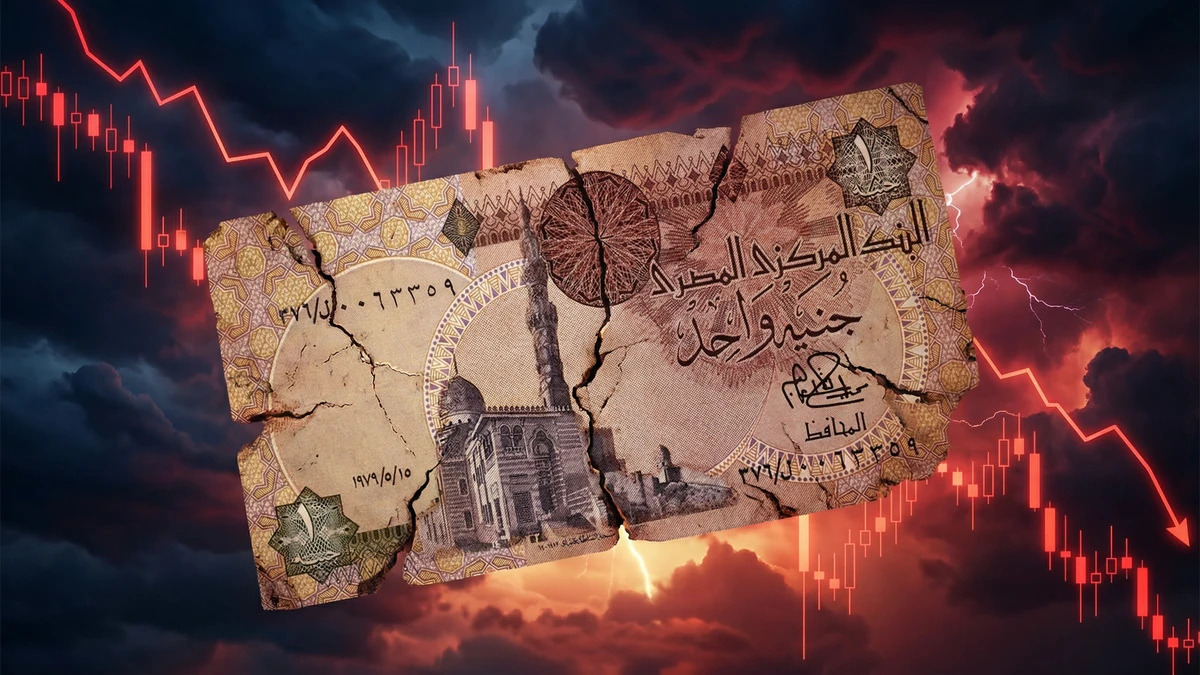
Mounting Pressures on the Egyptian Pound in 2026: Economic Impact and Proposed Radical Solutions
الضغوط المتصاعدة على الجنيه المصري في 2026: التداعيات الاقتصادية وحلول جذرية مقترحة
Financial Disclaimer: This article is for educational and informational purposes only. It does not constitute financial or investment advice. All investment decisions are solely your responsibility. Past performance does not guarantee future results.
إخلاء المسؤولية المالية: هذا المقال للأغراض التعليمية والتحليلية فقط، ولا يُعد نصيحة مالية أو استثمارية. قرارات البيع والشراء هي مسؤوليتك الشخصية الكاملة. الأداء السابق لا يضمن النتائج المستقبلية.
In the first quarter of 2026, the Egyptian economy is facing renewed challenges that are putting the Egyptian pound under unprecedented pressure. After a period of relative stability following the exchange rate liberalization in March 2024, the pound has once again depreciated against the US dollar, hitting new record lows and crossing the 52 EGP per USD threshold. These declines occur amid severe geopolitical volatility, most notably regional tensions and the fallout from the war on Iran, which have cast a heavy shadow over emerging markets.
Key Pressures on the Egyptian Pound
1. Regional Geopolitical Tensions
The recent war on Iran has created significant uncertainty in global markets, prompting foreign investors to withdraw their investments from Egyptian government debt instruments — a phenomenon known as "hot money outflows." The pound lost approximately 3.8% of its value in the aftermath of these tensions, with billions of dollars in investments exiting the Egyptian market.
2. Energy Supply Crisis
Regional tensions have led to the indefinite suspension of Israeli gas supplies to Egypt, which were estimated at 1.1 billion cubic feet per day. This halt forces the government to import liquefied natural gas (LNG) at higher prices to meet domestic needs, thereby increasing the import bill and draining hard currency reserves. Morgan Stanley estimates that the energy deficit could rise by between $400 million and $2.4 billion for the remainder of the fiscal year.
3. Delays in IMF Loan Tranches
Delays in disbursing certain tranches of the agreed-upon IMF loan slowed the expected inflow of dollar liquidity. Although the IMF recently released $2.3 billion following a reform review, the earlier delays negatively impacted market confidence.
4. Persistent Inflationary Pressures
With rising costs of importing energy and basic commodities, domestic inflation rates are increasing. Estimates suggest that every 10% rise in energy prices adds a full percentage point to inflation, which could push it to 11% in 2026.
Impact on the Egyptian Economy and Citizens
The continued depreciation of the pound has profound implications for the macroeconomy and citizens' daily lives. On the cost-of-living front, currency devaluation leads directly to higher prices for imported goods, fueling new inflationary waves that burden Egyptian households already under accumulated economic pressure. On the external debt front, with every drop in the pound's value, the cost of servicing dollar-denominated debt rises when calculated in local currency, consuming a significant portion of the state budget. Furthermore, regional tensions are negatively impacting tourism and aviation — two of the country's most vital sources of hard currency.
Proposed Radical Solutions to Overcome the Crisis
1. Shift Towards a Real Productive Economy
There must be a reduced reliance on "hot money" as a primary source of hard currency, focusing instead on attracting Foreign Direct Investment (FDI) in the industrial, agricultural, and technological sectors. Hot money is inherently volatile and exits rapidly at the first sign of crisis.
2. Boost Exports and Reduce Imports
A comprehensive national plan is needed to support export-oriented industries and localize industries that rely on imported inputs. The Egyptian government has announced a target to increase exports by 20% in 2026 — an ambitious goal that requires substantial customs and bureaucratic facilitation.
3. Diversify Energy Sources and Achieve Energy Security
Accelerate investment in renewable energy projects (solar and wind) and green hydrogen to reduce dependence on imported fossil fuels. Egypt possesses exceptional natural endowments in this area that must be leveraged more rapidly.
4. Institutional Reform and Strengthening the Private Sector
Continue implementing the government IPO program transparently, enhance the private sector's role in the economy, and rationalize government spending on mega projects with high dollar components. Improving the business environment and simplifying procedures is essential to attract more investment.
In conclusion, the Egyptian economy is at a critical juncture that demands bold and swift decisions. Relying on traditional solutions is no longer sufficient to face the rapidly evolving global and regional challenges. Transitioning towards a real, sustainable economy has become the only lifeline to ensure the stability of the pound and achieve desired development.
يشهد الاقتصاد المصري في الربع الأول من عام 2026 تحديات متجددة تضع الجنيه المصري تحت ضغوط غير مسبوقة. بعد فترة من الاستقرار النسبي التي أعقبت تحرير سعر الصرف في مارس 2024، عاد الجنيه للتراجع أمام الدولار الأمريكي، مسجلاً مستويات قياسية جديدة تجاوزت حاجز الـ 52 جنيهاً للدولار الواحد. تأتي هذه التراجعات في ظل تقلبات جيوسياسية حادة، أبرزها التوترات الإقليمية وتداعيات الحرب على إيران، والتي ألقت بظلالها الثقيلة على الأسواق الناشئة، مما زاد من تعقيد المشهد الاقتصادي في مصر، وأعاد إلى الواجهة تساؤلات حول قدرة الجنيه على الصمود في وجه هذه العواصف المتلاحقة.
أبرز العوامل الضاغطة على الجنيه المصري
تتعدد العوامل التي تساهم في تراجع قيمة العملة المحلية، ويمكن تصنيفها على النحو التالي:
أولاً: التوترات الجيوسياسية الإقليمية
أدت الحرب الأخيرة على إيران إلى حالة من عدم اليقين في الأسواق العالمية، مما دفع المستثمرين الأجانب إلى سحب استثماراتهم من أدوات الدين الحكومية المصرية، وهو ما يُعرف بـ"تخارج الأموال الساخنة". وقد فقد الجنيه نحو 3.8% من قيمته في أعقاب اندلاع هذه التوترات، مع خروج استثمارات بمليارات الدولارات من السوق المصري. هذا التخارج لا يؤثر فقط على سعر الصرف بل يحمل تأثيرات سلبية على سوق المال المحلية، حيث يتراجع حجم التداول ويزيد من تقلبات الأسهم والسندات، مما يجعل من الصعب على الحكومة والشركات المحلية تأمين تمويل مستدام.
ثانياً: أزمة إمدادات الطاقة
أسفرت التوترات الإقليمية عن توقف إمدادات الغاز الإسرائيلي إلى مصر لأجل غير مسمى، والتي كانت تقدر بنحو 1.1 مليار قدم مكعب يومياً. هذا التوقف يجبر الحكومة على استيراد الغاز المسال (LNG) بأسعار مرتفعة، مما يزيد من فاتورة الاستيراد ويستنزف العملة الصعبة. وتُشير تقديرات مورجان ستانلي إلى أن عجز الطاقة قد يرتفع بين 400 مليون و2.4 مليار دولار خلال ما تبقى من العام المالي، وهو ما يضع ضغطاً إضافياً على ميزان المدفوعات ويجعل من الصعب على البنك المركزي الحفاظ على احتياطيات صلبة من النقد الأجنبي. هذا الوضع يفاقم التحديات في قطاع الكهرباء والصناعة، حيث تؤدي أزمة الطاقة إلى تقليل الإنتاج وتعطيل المشروعات التنموية.
ثالثاً: تأخر شرائح قرض صندوق النقد الدولي
أدى تأخر صرف بعض شرائح القرض المتفق عليه مع صندوق النقد الدولي إلى تباطؤ تدفق السيولة الدولارية المتوقعة. وعلى الرغم من أن الصندوق أفرج مؤخراً عن 2.3 مليار دولار بعد مراجعة الإصلاحات، فإن التأخيرات السابقة أثرت سلباً على ثقة الأسواق. ويضاف إلى ذلك المخاوف من شروط الإصلاحات التي قد تكون صعبة التنفيذ في ظل الوضع الاقتصادي الراهن، مما يزيد من الضغوط السياسية والاجتماعية على الحكومة ويجعل الاستقرار المالي أكثر هشاشة.
رابعاً: الضغوط التضخمية المستمرة
مع ارتفاع تكاليف استيراد الطاقة والسلع الأساسية، تتزايد معدلات التضخم المحلي. وتُشير التقديرات إلى أن كل ارتفاع بنسبة 10% في أسعار الطاقة يضيف نقطة مئوية كاملة للتضخم، مما قد يرفعه إلى 11% في عام 2026. هذه الزيادة في التضخم تؤثر بشكل مباشر على القوة الشرائية للمواطنين، وتزيد من معدلات الفقر والبطالة، خاصة في ظل ارتفاع أسعار الغذاء والمنتجات الأساسية. كما يضع هذا التضخم ضغطاً على السياسة النقدية للبنك المركزي الذي يواجه معادلة صعبة بين دعم النمو الاقتصادي ومكافحة التضخم.
تحليل أعمق لتداعيات تراجع الجنيه
تراجع قيمة الجنيه المصري ليس مجرد رقم على شاشات البورصة أو أسعار الصرف، بل هو مؤشر يعكس حالة الاقتصاد ككل. عندما ينخفض الجنيه، ترتفع تكلفة المواد المستوردة، مما يؤثر على كل القطاعات بدءاً من الصناعة مروراً بالتجزئة ووصولاً إلى الخدمات. وفي ظل اعتماد كبير على استيراد عدد من السلع الأساسية، فإن ذلك ينعكس مباشرة على الأسعار التي يدفعها المستهلك، ما يفاقم الضغوط الاجتماعية ويزيد من احتمالات حدوث اضطرابات اجتماعية.
من ناحية أخرى، تؤدي تقلبات سعر الصرف إلى زيادة تكلفة الدين الخارجي عند تحويله إلى الجنيه، مما يضغط على الموازنة العامة ويقلل من قدرة الدولة على تمويل الإنفاق التنموي. هذا الوضع يخلق حلقة مفرغة بين ضعف العملة وارتفاع الدين، وهو ما يتطلب إجراءات حاسمة لتكسرها.
ويجب أن نأخذ بعين الاعتبار أن اقتصاد مصر يعتمد بشكل كبير على تحويلات المصريين بالخارج، التي تشكل مصدراً مهماً للعملة الصعبة. ولكن مع ارتفاع تكلفة المعيشة عالمياً، قد يتقلص حجم هذه التحويلات أو تتجه إلى دول أخرى، مما يزيد من ضعف احتياطيات النقد الأجنبي.
أمثلة عملية على تأثير تراجع الجنيه
في قطاع الصناعات الغذائية، على سبيل المثال، بدأت العديد من الشركات تواجه صعوبة في استيراد المواد الخام مثل الزيوت والمواد الحافظة، ما أدى إلى رفع أسعار المنتجات النهائية بنسبة تجاوزت 15% في بعض الحالات. أما في قطاع السيارات، فقد توقف عدد من الوكلاء عن استيراد موديلات جديدة بسبب ارتفاع تكاليف الدولار، مما أثر على مبيعات السوق المحلية.
وفي قطاع البناء والعقارات، ارتفعت أسعار مواد البناء المستوردة كالحديد والأسمنت بسبب تقلبات سعر الصرف، مما أدى إلى زيادة تكلفة تنفيذ المشاريع وتأجيل بعضها، مع تأثير سلبي على العمالة والاقتصاد المحلي. هذا التأثير المتسلسل يظهر كيف أن تراجع العملة يضرب الاقتصاد من عدة زوايا في آن واحد.
ماذا يعني هذا للمستثمر المصري؟
في ظل هذه التحديات، يجد المستثمر المصري نفسه أمام واقع معقد يتطلب تخطيطاً دقيقاً واستراتيجيات مرنة للتكيف مع التقلبات. فالمستثمر الذي يعتمد بشكل كبير على الواردات أو المواد الخام الأجنبية يجب أن يعيد التفكير في سلسلة التوريد الخاصة به، وربما يبحث عن بدائل محلية أو شركاء جدد في الأسواق الإقليمية التي قد تقدم أسعاراً أفضل أو تسهيلات دفع.
كما أن المستثمرين في القطاعات التصديرية لديهم فرصة أكبر للاستفادة من ضعف الجنيه، إذ تصبح منتجاتهم أكثر تنافسية في الأسواق الخارجية. لكن ذلك يتطلب دعم حكومي حقيقي لتوفير بنية تحتية متطورة وتسهيلات تمويلية تنافسية. علاوة على ذلك، يجب على المستثمرين متابعة التطورات السياسية والاقتصادية عن كثب، والاستعداد للسيناريوهات المختلفة، بما في ذلك إمكانية فرض ضوابط على تحويلات العملة أو تغييرات في سياسات الدعم.
بالنسبة للمستثمرين في سوق المال، فإن التذبذب في سعر الصرف يعني ضرورة تبني استراتيجيات تحوط فعالة، مثل التنويع في المحفظة الاستثمارية أو استخدام أدوات مالية ملائمة. كما يُنصح بالتركيز على الشركات القادرة على التكيف مع التغيرات الاقتصادية، والتي تمتلك قاعدة إنتاج محلية قوية.
حلول جذرية مقترحة لتجاوز الأزمة
للخروج من هذه الدوامة، يحتاج الاقتصاد المصري إلى تحولات هيكلية عميقة تتجاوز المسكنات المؤقتة:
١. التحول نحو اقتصاد إنتاجي حقيقي
يجب تقليل الاعتماد على "الأموال الساخنة" كمصدر رئيسي للعملة الصعبة، والتركيز بدلاً من ذلك على جذب الاستثمارات الأجنبية المباشرة (FDI) في قطاعات الصناعة والزراعة والتكنولوجيا. فالأموال الساخنة بطبيعتها متقلبة وتغادر بسرعة عند أول بادرة أزمة. إن الاستثمار المباشر يخلق فرص عمل مستدامة ويعزز من الإنتاج المحلي، مما يساعد على استقرار أسعار العملة ويخفض من العجز التجاري.
٢. تعزيز الصادرات وتقليل الواردات
يتطلب الأمر خطة وطنية شاملة لدعم الصناعات التصديرية وتوطين الصناعات التي تعتمد على مدخلات مستوردة. وقد أعلنت الحكومة المصرية عن هدف لزيادة الصادرات بنسبة 20% في 2026، وهو هدف طموح يحتاج إلى تسهيلات جمركية وبيروقراطية جوهرية. كما يجب تطوير مراكز لوجيستية متقدمة وتحسين البنية التحتية للموانئ، إضافة إلى تعزيز التعاون مع الأسواق الأفريقية والعربية لتوسيع قاعدة التصدير.
٣. تنويع مصادر الطاقة وتحقيق الأمن الطاقوي
تسريع وتيرة الاستثمار في مشاريع الطاقة المتجددة (الشمسية والرياح) والهيدروجين الأخضر لتقليل الاعتماد على الوقود الأحفوري المستورد. إن مصر تمتلك مقومات طبيعية استثنائية في هذا المجال يجب استثمارها بشكل أسرع. ليس فقط من أجل تقليل فاتورة الاستيراد، بل أيضاً لتحويل مصر إلى مركز إقليمي للطاقة النظيفة، مما يعزز من مكانتها الاقتصادية ويجذب المستثمرين العالميين.
٤. الإصلاح المؤسسي وتعزيز دور القطاع الخاص
الاستمرار في تنفيذ برنامج الطروحات الحكومية بشفافية وتعزيز دور القطاع الخاص في الاقتصاد، مع ترشيد الإنفاق الحكومي على المشاريع الكبرى التي تتطلب مكوناً دولارياً عالياً. كما يجب تحسين بيئة الأعمال وتبسيط الإجراءات لجذب المزيد من الاستثمارات. ويشمل ذلك تحديث التشريعات المتعلقة بالملكية الفكرية، وحماية المستثمرين، وتشجيع ريادة الأعمال، بالإضافة إلى تطوير منظومة الضرائب لتكون عادلة ومرنة.
خلاصة
يمر الاقتصاد المصري بمنعطف حرج يتطلب قرارات جريئة وسريعة. إن الاعتماد على الحلول التقليدية لم يعد كافياً لمواجهة التحديات العالمية والإقليمية المتسارعة، وبات التحول نحو اقتصاد حقيقي ومستدام هو طوق النجاة الوحيد لضمان استقرار الجنيه وتحقيق التنمية المنشودة. فالأزمات الراهنة تفرض على الدولة والمجتمع العمل سوياً لوضع استراتيجية متكاملة تجمع بين الاستقرار المالي، الإصلاحات الهيكلية، ودعم القطاعات الإنتاجية.
يبقى السؤال الأهم: هل ستتمكن مصر من استثمار هذه الأزمة كفرصة لإعادة تشكيل اقتصادها على أسس أكثر صلابة ومرونة، أم ستظل تعاني من تداعياتها المتكررة؟ الإجابة تعتمد على مدى جدية التوجهات الحكومية وقدرة القطاع الخاص والمجتمع المدني على التعاون لإحداث التغيير المنشود.
في النهاية، يبقى الجنيه المصري رمزاً ليس فقط للعملة بل لمدى قوة الاقتصاد المصري وقدرته على الصمود والتطور في وجه التحديات، وهو ما سيكون اختباراً حقيقياً في عام 2026 وما بعده.




Reader Comments تعليقات القراء
Leave a Comment اترك تعليقاً
Loading comments...
جارٍ تحميل التعليقات...