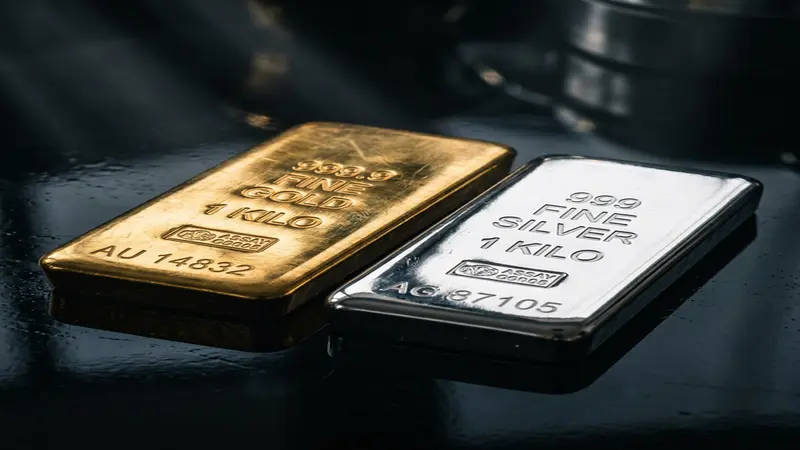
Silver vs. Gold: Which Metal Offers Better Returns in 2026?
الفضة مقابل الذهب: أي معدن يقدم عوائد أفضل في عام 2026؟
Financial Disclaimer: This article is for educational and informational purposes only. It does not constitute financial or investment advice. All investment decisions are solely your responsibility. Past performance does not guarantee future results.
إخلاء المسؤولية المالية: هذا المقال للأغراض التعليمية والتحليلية فقط، ولا يُعد نصيحة مالية أو استثمارية. قرارات البيع والشراء هي مسؤوليتك الشخصية الكاملة. الأداء السابق لا يضمن النتائج المستقبلية.
The debate between gold and silver as investment vehicles is as old as the metals themselves. In 2026, this debate has taken on new dimensions as global economic uncertainty, shifting industrial demand patterns, and the energy transition have created a uniquely complex environment for both metals. For Egyptian investors, the choice between gold and silver is further complicated by local market dynamics, currency considerations, and accessibility. This comprehensive analysis examines both metals across multiple dimensions to help you make an informed decision.
Store of Value: Gold's Undisputed Dominance
As a pure store of value and wealth preservation tool, gold has no equal. Its 5,000-year history as money, its universal recognition, its relative scarcity, and its resistance to corrosion make it the ultimate monetary metal. Central banks around the world hold gold as a reserve asset — not silver — which speaks to gold's unique status in the global financial system. For Egyptian investors primarily concerned with protecting their savings from inflation and currency devaluation, gold is the clear choice. The Egyptian pound's historical volatility makes gold's role as a monetary anchor particularly valuable in the local context.
Industrial Demand: Silver's Unique Advantage
Silver's dual nature — as both a monetary metal and an industrial commodity — is its defining characteristic. Approximately 50-55% of annual silver demand comes from industrial applications, including electronics (circuit boards, connectors), solar panels (photovoltaic cells use silver paste), electric vehicles (EV charging infrastructure), medical devices (antibacterial applications), and water purification. The global energy transition is a particularly powerful tailwind for silver: a single solar panel uses approximately 20 grams of silver, and the International Energy Agency projects that solar capacity will triple by 2030. This structural industrial demand provides silver with a price floor that gold lacks.
Volatility and Risk Profile
Silver is significantly more volatile than gold. During bull markets for precious metals, silver typically outperforms gold — often rising 2-3 times as much in percentage terms. However, during corrections and bear markets, silver also falls more sharply. This higher volatility is a double-edged sword: it offers the potential for greater returns but also greater losses. For conservative investors or those approaching retirement, gold's relative stability is preferable. For investors with a higher risk tolerance and a longer time horizon, silver's volatility can be an advantage.
The Gold-to-Silver Ratio in 2026
The Gold-to-Silver Ratio (GSR) — the number of ounces of silver needed to buy one ounce of gold — is a key valuation tool. The historical average GSR is approximately 60-70. When the ratio is above 80, silver is considered historically undervalued relative to gold. In early 2026, the GSR has been trading in the 85-95 range, suggesting that silver is relatively cheap compared to gold by historical standards. This has led many analysts to argue that silver offers better value for new investment at current prices, with the potential to outperform gold significantly when the ratio eventually reverts toward its historical mean.
Accessibility and Practicality in Egypt
For Egyptian investors, practical considerations also matter. Gold is deeply embedded in Egyptian culture and commerce — it is universally accepted as collateral, easily resold at any gold shop, and comes in small denominations (quarter gram, half gram, one gram) that are accessible even to small investors. Silver, while available, has a smaller market in Egypt, fewer specialized dealers, and lower liquidity. Selling silver quickly at a fair price can be more challenging than selling gold. For most Egyptian investors, gold's superior liquidity and cultural acceptance make it the more practical choice for the core of a precious metals portfolio.
The Verdict: A Complementary Approach
The most sophisticated answer to the gold vs. silver debate is not to choose one over the other, but to hold both in appropriate proportions. A common allocation for Egyptian precious metals investors might be 70-80% gold (for stability, liquidity, and wealth preservation) and 20-30% silver (for higher growth potential and industrial demand exposure). This approach captures the best of both metals while managing the risks of each. As always, any investment decision should be made in the context of your overall financial situation, risk tolerance, and investment goals.
النقاش الدائر حول الذهب والفضة كأدوات استثمارية ليس بجديد، فهو قديم قدم الحضارات التي عرفت قيمة هذه المعادن. لكن في تقديري، يكتسب هذا النقاش أهمية مضاعفة اليوم، خاصة ونحن نعيش في خضم تحولات اقتصادية عالمية معقدة وتحديات جمة تواجه اقتصادنا المصري الحبيب. عام 2026، من خلال متابعتي للسوق، أرى أن هذا الجدل قد اتخذ أبعاداً جديدة تماماً، فما زال الغموض يلف المشهد الاقتصادي الدولي، وتتغير أنماط الطلب الصناعي بشكل لافت، خصوصاً في قطاعات الطاقة النظيفة والتكنولوجيا المتقدمة. أما بالنسبة للمستثمر المصري، فالأمر أكثر تعقيداً، فالاختيار بين الذهب والفضة يتأثر بمزيج من العوامل المحلية، مثل تقلبات سعر صرف الجنيه أمام الدولار، والقيود التنظيمية التي قد تظهر بين الحين والآخر، وحجم السيولة المتاحة في أيدي الناس، ناهيك عن الحاجة الملحة لموازنة المخاطر والعوائد في بيئة اقتصادية قد لا تكون مستقرة تماماً.
مخزن القيمة: الذهب ملك متوج لا ينازعه أحد
منذ آلاف السنين، والذهب يتربع على عرش الثروة والاستقرار، وهو المعدن الذي حظي بثقة المستثمرين والحكومات على مر العصور. تاريخه الممتد لأكثر من 5000 عام كعملة ومخزن للقيمة، يعكس مكانته الراسخة التي لا تتزعزع. فالذهب يتميز بخصائص فريدة؛ فهو نادر نسبياً، وقوي التحمل، ولا يصدأ أو يتآكل، مما يجعله الملاذ الآمن الأول في أوقات الأزمات المالية والسياسية. ولفت انتباهي أن البنوك المركزية حول العالم، ومنها بالطبع البنك المركزي المصري، تحتفظ بجزء كبير من احتياطاتها بالذهب، وهذا في حد ذاته يبرهن على أنه أداة ثقة واستقرار لا غنى عنها في النظام المالي العالمي.
في سياقنا المحلي، يحمل الذهب أهمية ثقافية واجتماعية عميقة، فهو ليس مجرد استثمار، بل هو جزء من احتفالاتنا ومناسباتنا، ويُعتبر شكلاً تقليدياً للادخار لدى الأسر المصرية. هذا الطلب الداخلي المستمر، والذي أتابعه عن كثب في محلات الصاغة، يعزز من استقرار سعر الذهب نسبياً ويجعله حصناً يحمي مدخرات الأفراد من شبح التضخم وتدهور قيمة عملتنا المحلية.
الطلب الصناعي: الفضة.. أميرة الفرص الواعدة
على النقيض من الذهب، تتمتع الفضة بطبيعة مزدوجة فريدة، فهي تجمع بين كونها معدناً ثميناً ومادة خام أساسية للصناعات الحديثة التي تشكل مستقبلنا. يشكل الطلب الصناعي على الفضة ما يقارب 50-55٪ من إجمالي الاستهلاك العالمي، وهذا، في رأيي، يمنحها بعداً استثمارياً مختلفاً تماماً. فالشاهد أن الفضة تدخل في تصنيع الإلكترونيات الدقيقة، واللوحات الشمسية التي نراها تنتشر، والسيارات الكهربائية، والأجهزة الطبية، وحتى في تنقية المياه، مما يجعلها مرتبطة ارتباطاً وثيقاً باتجاهات النمو التكنولوجي والتحول نحو الطاقة النظيفة.
ما يثير القلق هنا، أو بالأحرى ما يثير الاهتمام، هو تضاعف الاعتماد على الفضة في قطاع الطاقة الشمسية بشكل خاص، وهو عامل محفز قوي لارتفاع الطلب خلال العقد المقبل. فكل لوحة شمسية، كما نعلم، تستخدم ما يقارب 20 جراماً من الفضة، وتتوقع وكالة الطاقة الدولية أن تتضاعف قدرة الطاقة الشمسية ثلاث مرات بحلول عام 2030، وهذا يعني زيادة هائلة في استخدام الفضة. هذا الطلب الصناعي المتنامي يجعل الفضة أكثر تأثراً بالتقلبات الاقتصادية والتكنولوجية من الذهب، لكن دعنا نكن صريحين، هذا أيضاً يفتح آفاقاً لعوائد أعلى بكثير في فترات التعافي والنمو الاقتصادي، وهو ما يبحث عنه الكثير من المستثمرين المصريين الشجعان.
نسبة الذهب إلى الفضة في 2026: مؤشر لا يُستهان به
تُعتبر نسبة سعر الذهب إلى الفضة (Gold-Silver Ratio) أداة رئيسية، وبناءً على خبرتي، لا يمكن الاستهانة بها لتقييم القيمة النسبية لكل معدن. تاريخياً، تتراوح هذه النسبة عادةً بين 60 و70 أوقية فضة مقابل أوقية ذهب واحدة. عندما ترتفع النسبة فوق 80، تُعتبر الفضة مقيّمة بأقل من قيمتها النسبية مقارنة بالذهب، وهو ما يفتح نافذة فرص استثمارية مهمة جداً للمستثمر الذكي. في مطلع عام 2026، تتداول النسبة بين 85 و95، ما يشير بوضوح إلى أن الفضة تُعرض بسعر أقل مما تستحق نسبياً، ويعطي دفعة قوية للمستثمرين الذين يتطلعون إلى تنويع محافظهم الاستثمارية، وربما اقتناص فرصة لا تتكرر كثيراً.
مع ذلك، يجب توخي الحذر، فالصورة ليست وردية تماماً، لأن هذه النسبة لا تعكس فقط القيمة الفعلية، بل تتأثر أيضاً بالعوامل الاقتصادية الكلية مثل أسعار الفائدة العالمية، والسيولة العالمية، وتقلبات العملة، وهو ما قد يؤدي إلى تقلبات حادة في كلا المعدنين، وهذا ما يجب أن يضعه المستثمر المصري في حسبانه.
تحليل أعمق: عوامل تؤثر على أسعار الذهب والفضة في 2026
تتعدد العوامل التي تؤثر على أسعار الذهب والفضة، بعضها مشترك بينهما وبعضها الآخر مميز لكل معدن على حدة. بالنسبة للذهب، يشكل التضخم العالمي، وسياسات البنوك المركزية، وتقلبات الدولار الأمريكي عوامل رئيسية ومحورية. ومع توقعات مستمرة لارتفاع معدلات التضخم في الاقتصادات الكبرى، يستمر الطلب على الذهب كملاذ آمن، وهذا أمر طبيعي ومتوقع. كما أن التوترات الجيوسياسية، خصوصاً في منطقتنا بالشرق الأوسط، تلعب دوراً كبيراً في رفع الطلب على الذهب، وهذا ما نلاحظه دائماً في أوقات الأزمات.
أما الفضة، فتتأثر بقوة بالطلب الصناعي العالمي، خاصة في قطاعات الطاقة والتكنولوجيا، وهذا ما يجعلها أكثر حساسية للتغيرات الاقتصادية. ومع تسارع التحول إلى الطاقة النظيفة، تتوقع الأسواق زيادة مستدامة في استهلاك الفضة، وهو ما يبشر بمستقبل واعد لهذا المعدن. لكن الفضة، في تقديري، أكثر تقلباً من الذهب، حيث يمكن أن تتأثر بشكل كبير بتباطؤ النمو الاقتصادي أو تراجع الطلب الصناعي، مما يجعل الاستثمار فيها محفوفاً بمخاطر أعلى مقارنة بالذهب، وهذا ما يجب أن يدركه المستثمر جيداً.
بالإضافة إلى ذلك، تؤثر العوامل المحلية في مصر بشكل مباشر على الاستثمار في الذهب والفضة، مثل قيود الاستيراد، والضرائب، وتقلبات سعر صرف الجنيه المصري. فمثلاً، ارتفاع سعر الدولار مقابل الجنيه يجعل شراء الذهب والفضة بالدولار أكثر تكلفة على المستثمر المحلي، وهو ما قد يؤثر على الطلب في سوق الصاغة لدينا. هل هذا يعني أننا يجب أن نتجنب الاستثمار في هذه المعادن؟ ليس بالضرورة، بل يجب أن نكون أكثر حذراً ووعياً.
أمثلة عملية: دروس من الماضي القريب
إذا نظرنا إلى التاريخ القريب، نجد أن الفضة شهدت طفرة كبيرة بين عامي 2009 و2011، حيث ارتفعت أسعارها بأكثر من 400%، في حين ارتفع الذهب حوالي 170% فقط. كانت هذه الفترة تتميز بانتعاش اقتصادي عالمي، وزيادة الطلب على المعادن الصناعية، ما دعم سعر الفضة بشكل قوي جداً. لكن هل هذا يعني أن الفضة هي الأفضل دائماً؟ لا، فالصعود القوي هذا تلاه هبوط حاد للفضة استمر لسنوات، مما يبين طبيعة الفضة الأكثر تقلباً، وهذا درس مهم للمستثمر.
في المقابل، أثبت الذهب فعاليته كملاذ آمن لا يخذل المستثمرين خلال الأزمات المالية، مثل أزمة كورونا في عام 2020، حيث شهد ارتفاعاً ملحوظاً في الأسعار مع حالة عدم اليقين العالمي التي سادت آنذاك. وفي مصر، شهد الذهب طلباً متزايداً من المستثمرين والأفراد الذين سعوا لحماية مدخراتهم من تراجع قيمة الجنيه وارتفاع التضخم، وهذا ما يؤكد مكانته كدرع واقٍ.
ماذا يعني هذا للمستثمر المصري الآن؟
بالنسبة للمستثمر المصري، فإن قرار الاستثمار في الذهب أو الفضة لا يمكن أن يكون قراراً معزولاً عن السياق الاقتصادي المحلي والعالمي، بل يجب أن يكون مبنياً على فهم عميق. في ظل الضغوط التضخمية المستمرة وارتفاع سعر الدولار، يُعد الذهب، في تقديري، خياراً مثالياً لحماية القيمة على المدى الطويل، خصوصاً للمستثمرين الذين يبحثون عن الاستقرار والسيولة في أصولهم.
في المقابل، تقدم الفضة فرصة نمو محتملة أكبر، لكنها، كما ذكرت، تأتي مع درجة عالية من التقلب والمخاطر. المستثمر المصري الذي يمتلك قدرة على تحمل المخاطر ويرغب في الاستفادة من التحول الصناعي والتكنولوجي العالمي قد يجد في الفضة فرصة استثمارية جذابة للغاية، لكن عليه أن يكون مستعداً للتقلبات.
من الناحية العملية، يواجه المستثمرون في سوقنا المحلي تحديات مثل صعوبة الحصول على الفضة بكميات كبيرة أو بأسعار تنافسية في محلات الصاغة، بالإضافة إلى قلة المنتجات الاستثمارية المتاحة مثل صناديق الاستثمار في الفضة مقارنة بالذهب. كما تلعب الضرائب ورسوم التداول دوراً مهماً في تحديد العائد الحقيقي على الاستثمار، وهذا ما يجب أن يؤخذ في الحسبان عند اتخاذ القرار.
نصائح للمستثمر المصري في 2026: رؤية تامر الوكيل
لبناء محفظة استثمارية متوازنة في المعادن الثمينة، بناءً على خبرتي كمتخصص في سوق الذهب، أنصح بالاعتماد على استراتيجية التنويع التي تجمع بين الذهب والفضة بالنسب التي تتناسب مع أهداف المستثمر ومستوى تحمله للمخاطر. على سبيل المثال، يمكن تخصيص 70-80٪ من المحفظة للذهب لضمان الاستقرار وحفظ القيمة، و20-30٪ للفضة للاستفادة من إمكانات النمو المرتبطة بالطلب الصناعي المتزايد. هذا هو النهج الذي أتبعه وأوصي به.
كما يُفضل متابعة نسبة الذهب إلى الفضة عن كثب، والاستفادة من فرص الشراء عندما تكون الفضة مقيّمة بأقل من قيمتها التاريخية. ويجب على المستثمر المصري أيضاً مراقبة متغيرات السوق المحلية مثل سعر صرف الجنيه، والقيود التنظيمية، بالإضافة إلى الأحداث الجيوسياسية التي قد تؤثر على الأسواق العالمية والمحلية. ما الذي يجب أن يفعله المستثمر المصري الآن؟ أن يكون يقظاً ومطلعاً.
في ظل التقلبات التي نشهدها، أنصح بعدم الانجرار وراء المضاربات قصيرة الأجل، بل تبني رؤية استثمارية طويلة الأجل تركز على حماية الثروة وتنميتها تدريجياً، فهذا هو مفتاح النجاح في عالم المعادن الثمينة.
الحكم: نهج تكاملي يوازن بين الأمان والفرص
الجواب الأكثر تطوراً على نقاش الذهب مقابل الفضة ليس اختيار أحدهما على الآخر بشكل مطلق، بل تكوين مزيج متوازن بينهما يعكس طبيعة كل معدن. الذهب يوفر الاستقرار والسيولة، ويعتبر درعاً ضد التضخم والأزمات، بينما تقدم الفضة فرصة للنمو والربح من الطلب الصناعي المتزايد والتحولات التكنولوجية. هذا ما أؤمن به تماماً.
التوزيع الشائع للمستثمرين المصريين في المعادن الثمينة قد يكون 70-80٪ ذهب و20-30٪ فضة، وهو مزيج يحقق التوازن بين الأمان والعائد المحتمل مع إدارة ملائمة للمخاطر. هذه الاستراتيجية، من خلال خبرتي، تساعد المستثمر على الاستفادة من تقلبات السوق وتقليل المخاطر المرتبطة بالاعتماد على معدن واحد فقط، وهذا هو جوهر الاستثمار الذكي.
الخلاصة
في عام 2026، يبقى الذهب هو الخيار الأكثر أماناً للمستثمر المصري الباحث عن الحماية من التضخم وتقلبات العملة، بفضل مكانته العالمية وتاريخه العريق كمخزن للقيمة. من ناحية أخرى، تقدم الفضة فرصة استثمارية جذابة تستند إلى الطلب الصناعي المتزايد، خصوصاً في قطاعات الطاقة النظيفة والتكنولوجيا، لكنها تتسم بتقلبات أكبر تتطلب قدرة على تحمل المخاطر، وهذا ما يجب أن نكون صريحين بشأنه.
لذلك، أنصح باتباع نهج استثماري متكامل يجمع بين المعدنين، مع مراقبة مستمرة لعوامل السوق العالمية والمحلية، وتقييم دوري لنسبة الذهب إلى الفضة. هذا التوازن يتيح للمستثمر المصري حماية ثروته وتنمية استثماراته في آن واحد، مستفيداً من أفضل مزايا كل معدن في ظل المشهد الاقتصادي المتغير والمتقلب، وهذا هو ما أراه الطريق الأمثل لتحقيق النجاح في هذا السوق.

Reader Comments تعليقات القراء
Leave a Comment اترك تعليقاً
Loading comments...
جارٍ تحميل التعليقات...